


































































What If Discipline Didn’t Feel Like a Chore?
Think about the last time you tried to build a new fitness habit.
Maybe you promised yourself you would wake up earlier, exercise three times a week, or finally stick to a workout routine.
For the first few weeks, things went well. You felt motivated. You followed your schedule. You were determined to make it work.
Then life got busy.
Work ran late. You felt tired. Other responsibilities needed your attention. Suddenly, exercising became something you had to convince yourself to do.
Sound familiar?
Most adults have experienced this. We often assume that staying consistent requires more willpower, stricter routines, or greater self-discipline.
But there’s another factor worth considering.
What if the activity itself made you want to keep showing up?
That’s where having a hobby you genuinely enjoy can change your relationship with discipline.
Why Enjoyment Makes Consistency Easier
Discipline is often associated with doing things even when you don’t feel like doing them.
And sometimes, that’s exactly what it takes.
But relying on willpower every single day can be exhausting, especially when you’re already balancing work, family, and personal responsibilities.
Behavioral research suggests that enjoyment plays an important role in maintaining physical activity. When an activity feels rewarding in the moment, people are often more willing to repeat it.
Think about the difference between two situations.
Scenario A: You force yourself through a workout you dislike because you know it’s good for you.
Scenario B: You spend an hour doing something physically challenging that you genuinely look forward to.
Both can improve your fitness.
But the second gives you something valuable beyond the physical benefits: a positive reason to return.
This doesn’t mean every workout needs to be exciting.
It means that enjoying the process can make the effort of staying consistent feel more manageable.
The Difference Between Forcing a Habit and Building One
Many adults approach fitness with an all-or-nothing mindset.
They create ambitious schedules, set strict expectations, and measure success by how perfectly they follow their plans.
Unfortunately, that approach can turn healthy activities into another source of pressure.
A more sustainable strategy is to make the habit easier to repeat.
Here are three ways to do that:
1. Choose Something You Actually Enjoy
The best exercise routine isn’t necessarily the most intense or complicated.
It’s one you can realistically maintain.
Maybe you enjoy cycling, swimming, dancing, or practicing martial arts.
The activity matters less than finding something that keeps you interested while supporting your fitness goals.
2. Make Showing Up Easier
Consistency improves when you remove unnecessary obstacles.
Try these simple adjustments:
- Schedule workouts at times that realistically fit your week.
- Prepare your training clothes and equipment beforehand.
- Choose a location that’s convenient to reach.
- Start with a manageable number of sessions.
- Keep a backup plan for especially busy days.
Small changes reduce the effort required to get started.
3. Give Yourself Something to Look Forward To
A habit becomes more appealing when you associate it with something positive.
That might be learning a new skill, spending time with friends, or simply enjoying an hour away from your usual responsibilities.
The more personally rewarding the experience feels, the easier it may become to prioritize.
How Jiu-Jitsu Makes Discipline Feel Different
Brazilian Jiu-Jitsu offers an interesting example of how enjoyment and discipline can work together.
It’s physically demanding. It requires patience, repetition, and consistent practice.
But unlike exercise routines focused primarily on completing repetitions or burning calories, Jiu-Jitsu gives you something else to think about.
You’re learning a skill.
One day, you’re figuring out how to escape a position. Another day, you’re practicing a technique that seemed impossible a few weeks earlier.
Every class introduces opportunities to learn, experiment, and improve.
Meanwhile, you’re also developing physical fitness through movements that challenge your strength, coordination, mobility, and cardiovascular endurance.
The workout becomes part of a larger experience.
Instead of exercising only because you should, you’re moving because there’s something you want to learn.
And that shift can make a meaningful difference.
Enjoyment Doesn’t Mean Every Training Day Will Be Easy
Even hobbies you love come with frustrating moments.
In Jiu-Jitsu, you might struggle with a technique, feel exhausted during a round, or go through a period when progress seems slow.
Some days, you won’t feel particularly motivated to attend class.
That’s normal.
Enjoyment doesn’t eliminate the need for discipline. It gives discipline a stronger foundation.
When you value the activity itself, one disappointing session doesn’t have to change how you feel about the entire experience.
You understand that frustrating days are part of learning something worthwhile.
The key is recognizing the difference between temporary discomfort and an activity that consistently leaves you feeling miserable.
One asks for patience.
The other might be a sign that your approach needs adjusting.
Five Ways to Make Your Fitness Habits More Enjoyable
You don’t need to overhaul your routine to build a healthier relationship with exercise.
Start with these practical strategies.
1. Set Goals That Aren’t Just About Results
Weight loss, strength, and endurance are useful goals.
But consider adding goals centered on the experience itself.
For example:
- Learn one new Jiu-Jitsu technique this month.
- Feel more comfortable participating in class.
- Improve your breathing during physical activity.
- Attend two training sessions each week.
These goals give you meaningful progress to notice along the way.
2. Build Social Connection Into Your Routine
Training with other people can make exercise more enjoyable and create a sense of accountability.
Get to know your training partners. Encourage each other. Share what you’re learning.
A supportive environment can make attending class something you look forward to.
3. Allow Room for Variety
Even enjoyable activities can feel repetitive.
If you’re feeling stuck, explore a different aspect of your training.
Ask your coach about a technique you want to understand better, practice a new movement, or adjust your training focus.
A little variety can help renew your interest.
4. Protect Your Recovery
Enjoyment becomes harder when you’re constantly exhausted.
Make room for adequate sleep, hydration, nutrition, and rest between demanding sessions.
Pay attention to soreness and fatigue. Adjust your training intensity when needed.
Taking care of your body helps you continue participating in the activities you enjoy.
5. Notice How You Feel Afterward
After your next workout, ask yourself:
- Did I enjoy any part of that session?
- Do I feel more energized, focused, or satisfied?
- What made the experience worthwhile?
- Is there something I’m looking forward to next time?
Your answers can help you identify what makes a fitness routine personally rewarding.
Discipline Can Become Part of Your Lifestyle
One of the biggest misconceptions about discipline is that it always has to feel like a struggle.
But think about the activities you already enjoy.
You probably don’t need much convincing to make time for them.
You find ways to fit them into your schedule because they matter to you.
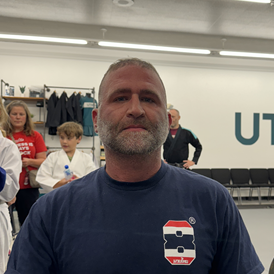
Sometimes, a hobby becomes more meaningful than you ever expected. That’s what happened to longtime Utopia black belt Jimmy Kanno, who started Jiu-Jitsu simply because he wanted to try something new. In Inside the Wave Episode #020: Jimmy Kanno’s Jiu-Jitsu Story with Jimmy Kanno, he shares how that decision grew into 14 years of training, personal growth, and a community that kept him coming back.
Fitness can work the same way.
When physical activity becomes something you value beyond its health benefits, consistency starts to feel less like an obligation and more like a natural part of your week.
You still need commitment.
You still need patience.
But you also have a reason to keep going that doesn’t depend entirely on motivation or willpower.
Final Thoughts
Building discipline doesn’t always mean pushing yourself harder.
Sometimes, it means finding something worth showing up for.
An enjoyable hobby can help you stay active, manage everyday stress, develop new skills, and create meaningful
connections.
More importantly, it can make healthy habits feel like something you’re choosing for yourself rather than another responsibility on your list.
If you’re already training Jiu-Jitsu, remember to appreciate what makes the experience rewarding beyond physical progress.
And if you’ve been looking for a physical activity that offers both challenge and enjoyment, consider trying a Brazilian Jiu-Jitsu class at Utopia Martial Arts.
You might discover that building discipline becomes a little easier when you genuinely enjoy what you’re doing.