






















































At some point, youth sports stop feeling like play and start feeling serious.
The competition gets tougher. Training becomes more structured. Conversations about college opportunities and long term goals begin entering the picture.
For many athletes, that shift happens during the high school years.
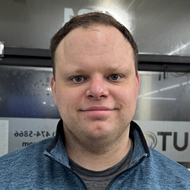
In Episode 19 of Inside the Wave, host Perry Wirth welcomes back sports psychologist and swim coach Chandler Lewis to explore the final stage of youth athletic development. This conversation focuses on athletes ages 15 to 18+ and what changes when sport moves from participation toward performance.
From increased expectations to growing independence, this phase brings new challenges for athletes, parents, and coaches alike. It also presents one of the most important opportunities to shape how young athletes experience sport for the rest of their lives.
A Four Part Conversation About Youth Athletic Development
This episode wraps up a four part series examining how athletic development evolves throughout childhood and adolescence.
Each conversation explores a different stage of growth and the unique challenges that come with it.
If you are joining the series here, you can explore the earlier episodes below:
- Episode 16: Ages 3 to 6 (Play-First Foundations)
- Episode 17: Ages 7 to 10 (Skills & Mini Milestones)
- Episode 18: Ages 11 to 14 (Middle School Development)
- Episode 19: Ages 15 to 18+ (High School and Beyond) (this episode)
Taken together, the series provides a long term perspective on how athletes grow physically, intellectually, emotionally, and socially through sport.
Understanding the High School Athlete
By the time athletes reach high school, their relationship with sport has often changed.
Many are training consistently. Competition may feel more meaningful. Athletes may begin thinking about future opportunities or comparing themselves to others in their sport.
At the same time, they are navigating school responsibilities, friendships, identity, and growing independence.
Perry and Chandler continue using the PIES framework to understand how athletes develop during this stage.
Physical: During high school, athletes often begin experiencing significant increases in strength and physical capacity. Strength training, movement quality, and recovery habits become more important as training intensity rises.
This is also when the foundations built during earlier years begin to show their value.
Intellectual: High school athletes are capable of understanding training plans, strategy, and competition preparation at a deeper level. They can begin participating more actively in the training process rather than simply following instructions.
This is where athletes start developing real ownership of their sport.
Emotional: Competition pressure becomes more noticeable during these years. Athletes may feel expectations from teammates, coaches, parents, or themselves.
Learning how to manage nerves, frustration, and setbacks becomes an essential part of development.
Social: Sport continues to play a powerful role in an athlete’s social environment. Teammates, friendships, and team culture influence motivation and enjoyment.
Positive environments can strengthen confidence and resilience. Negative environments can make athletes question why they continue competing.
When Competition Gets Serious
One of the biggest shifts during the high school years is the growing seriousness of competition.
Athletes may begin chasing rankings, scholarships, or collegiate opportunities. While these goals can be motivating, they can also create pressure if handled poorly.
Perry and Chandler emphasize that the fundamentals of development still matter during this stage.
Skill quality remains essential.
Strength training should support movement patterns and injury prevention.
Training volume must be balanced with recovery.
Athletes benefit from learning how to monitor their own effort and preparation.
The goal is not simply to perform well today. The goal is to build athletes who can continue improving over time.
Helping Athletes Take Ownership
One of the most important transitions during the high school years is the shift toward athlete ownership.
Earlier in development, coaches and parents provide more structure and direction. As athletes grow older, they benefit from gradually taking responsibility for their preparation.
This includes:
- Understanding their training goals
- Managing recovery and sleep habits
- Learning how to fuel their body properly
- Reflecting on performance after competition
- Communicating with coaches about how they feel physically and mentally
Developing these habits helps athletes not only perform better, but also carry valuable life skills beyond sport.
Preparing for Life After Youth Sports
Another reality of the high school years is that sport eventually changes.
For some athletes, the next step may involve competing at the collegiate level. For others, their competitive journey may end after high school. Both paths are completely valid.
The real value of youth sports lies in what athletes gain from the experience. Discipline, confidence, resilience, and the ability to work toward long term goals are lessons that extend far beyond competition.
When parents and coaches keep development at the center of the process, athletes leave youth sports with skills that benefit them for the rest of their lives.
Why This Episode Matters
The high school years represent the final stage of youth athletic development.
Handled well, they can strengthen an athlete’s confidence, independence, and relationship with sport.
Handled poorly, they can lead to burnout, pressure, or loss of enjoyment.
Episode 19 brings the entire youth development series together by showing how the earlier stages of play, skill building, and emotional growth ultimately prepare athletes for this moment.
When the process is approached thoughtfully, athletes arrive at high school not only stronger and more skilled. They arrive ready to handle the challenges of competition and the opportunities that come next.
Where to Listen
🎧 Stream Episode 18 Now:
Connect with Chandler Lewis
- Instagram: @chandlerlewis2323
- Swim Program Contact: [email protected] – official Walter Schroeder Aquatic Center email
- Championship Mind Website: championshipmind.com
About Utopia
At Utopia Martial Arts, we believe sports are more than competition—they’re tools for personal growth. Our programs help kids of all ages build confidence, focus, and resilience both on and off the mats. Inside the Wave extends that mission, bringing real conversations with coaches and experts who share practical ways to help kids thrive in sport and in life.
Join the Conversation
If you are raising or coaching a high school athlete, this episode offers valuable insight into navigating one of the most important phases of youth sports.
Listen to Episode 19 and share it with another parent, coach, or athlete who could benefit from the conversation.
Transcript
PERRY:
All right, welcome to the fourth episode in our four-episode miniseries. That’s what the fourth episode, four-episode miniseries, the last episode, with Chandler Lewis, swim coach, one of the owners of Schrader Swim Team, and a sports psychologist. And we are going through different age groups and essentially how they progress through their development, specifically looking at athletic development and competitive development. um this episode we’re talking about high schoolers going like 15 to 18 onwards um i think like once you start getting like 18 plus like you’re an adult right um different challenges in high school and college for sure different challenges after college um things change again i think when you start Getting to like males females like in your 40s 30s 40s things might start changing But I’m excited for this one Especially with having you on here and how many competitive athletes in this age group That you guys are training and you’re trying to like get people scholarships to colleges and stuff How many athletes in this age group? Do you have like high schoolers?
CHANDLER: I
PERRY: I’d say a hundred. Put you on the spot. That’s huge. Like a hundred. How many are like college hopefuls? Like they want to keep doing it.
CHANDLER: At any level, let’s say a little, let’s say half, at least half of them are going to swim into college.
PERRY: Do you get a lot of kids getting like scholarships too?
CHANDLER: Yeah.
PERRY: Like there’s like big financial reasons to perform at this age?
CHANDLER: Yes, 100%. There’s, I mean, I think we have a hundred athletes within our senior program, but then there’s, you know, out of those hundred athletes, there’s going to be different groups. So like the kids that I’m coaching, majority, I mean, I would say majority of them are trying to swim into, college, you know, and that’s their goal. And with that becomes a lot of challenges, you know? So, I mean, I would say most of the kids that I’m coaching are going to some into college.
PERRY: What grade do scouts start looking for them?
CHANDLER: End of sophomore year, so July 15th, or June 15th, their sophomore year summer. Some of those kids are 15 years old. So, and that’s the game. I’ve told parents and athletes that I am not going to lie to you. And this is the reality, is at the end of your sophomore year, you’re gonna get recruited or not recruited. And that’s gonna be 100% based on performance. And that’s reality.
PERRY: When do normal people apply for college? Senior year. Bro, I started- Second semester? I didn’t apply for college until I heard other people were applying for college. I feel like I missed some sort of memo that was like, hey, you should apply for colleges. I was so late that I’m surprised I actually got in anywhere. But, and these kids are committing to three years, two years before that, three years before that.
CHANDLER: Yeah. I mean, I had a girl come in in August of her going to be junior year and she went to five visits and picked the school.
PERRY: Is swimming ever a sport where they skip? We’ll get to the meat of the podcast in a second. I have all my personal questions. Is swimming ever a sport like gymnastics where they just skip collegiate and you have 18 year olds in the Olympics?
CHANDLER: Phelps. Phelps did that.
PERRY: Okay.
CHANDLER: So not uncommon. It’s not uncommon. It’s extremely, it’s extremely uncommon though. Okay. Like, I mean, we have kids throughout the country that on the girl’s side, it’s more common. Yeah. If you have a 16 year old, 17 year old girl, that’s going to skip collegiate athletics to just go professionally. Like that’s happened. It’s not the norm. Even if with our, like we’ve had Olympians and the 16th, not us directly, but USA, seven Olympians at 16, 17, 18, but still go the college path. Because the college path gives resources that you can’t get through personalized club or programs, or even if you decide to, I’m going to swim at University of Texas but not compete for University of Texas, there’s still a lot of resources as the NCAA that provides. I think it’s the landscape of collegiate athletics has changed and is always changing and I’ve done my best to try and keep up with it, like my friends that are coaching in college to understand it, but it’s beginning more professionalized and harder. One of the boys that a lot of the boys that I’m coaching that he’s their age and he’s 16 people are calling him like the next Phelps, but he’s just got a NIL deal of 800 K at 16, so it’s there’s There’s a lot of, it’s a very hard process right now. It’s different than when I was, and we’re talking about swimming. Imagine football. These kids, high school kids have agents. Not in swimming, but the pressure is definitely increased. The expectation is increased. Parents, athletes, coaches, everyone know that there’s this loot of collegiate athletics. So there’s a lot of variables that go into it. Did you swim in college? Yeah. Which college? I went to UW-Green Bay first, and then I transferred to Whitewater.
PERRY: Did you swim on scholarship? Yeah, at Green Bay, yeah. Nice. I did not do sports in college. I mean, I did jiu-jitsu in college, but not for the college club.
CHANDLER: It’s definitely different. Being a college athlete is is people always say like, oh, it’s like a job. I think that’s very corny. I don’t, I did not look at it like a job, but it is, it is very challenging. You know, it’s challenging. It’s, I think the, the opportunity to, to, to be able to, to compete in college or do a sport in college is very limited. But the expectation is higher, both like with the decisions that you make, both in the classroom and then as an athlete. So it’s, I mean, it’s not a job though. It’s not a job. It’s very fun. But there’s pressure, you know?
PERRY: Well, let’s run through this. So just like our past episodes, we’re going to run through our PIES acronym, Physically, Intellectually, Emotionally, and Socially. And that acronym actually breaks down. It’s what we use for childhood development, right? So that kind of breaks down at like 16, 17 years old, because then you go to adult stages of development, which is much different, but also a really cool concept if you’ve ever looked into it. And then we’re going to look at athletic building blocks. How can we be training these kids most effectively in sport and supplement training? Not supplement training, supplementary training. We’re not going to train them just to take creatine and steroids. Yeah, although, although, probably something we could talk about. And then we’re gonna talk about steps towards competition and how to approach competition, especially considering that there are potentially extra pressures like the monetary thing that we’re talking about with college scholarships and all that stuff. Man, so pies physically, This is, I think, if you’ve been training for a while, movement patterns should have been developed, right? Skill building should be developed. this is where you start getting fun and like truly start loading, loading weight, doing power exercises. Like you could start having kids do like power cleans and stuff. I shouldn’t even say kids, right? 15 to 18. There are many adults, right? But you have a lot of tools at your fingertips at this age.
CHANDLER: Yeah.
PERRY: What, um, what do you like to see as you start having athletes get into this age group?
CHANDLER: Yeah, I mean at this point, I coach kids 14 to 18. I don’t coach any younger kids. I coach some post-grads. I coach collegiate athletes that come back to our program in the summers during the breaks, whatever. So when it comes to this group, we can now start training. I’m training these guys. That’s why whoops are valuable. Understanding the recovery process or how they’re adapting to training is really important. But when it comes to their foundation of skills, it needs to be good. And it’s still something that I have to constantly be coaching. You know, like during warmup, during presets, during training sets, like these skills are, have to be good. Not just like a little bit of time, all the time, all the time. Those skills have to be good. It’s not just like we’re swimming back and forth trying to get our heart rate up. That’s like a, that’s a one thing, but we got to try to really recognize that the skill development still has to be there and it has to look better.
PERRY: Um, and at this age, man, you have to be cross training to be a successful athlete at this age. Like if you’re a swimmer, you’re probably also running and lifting.
CHANDLER: Yeah. Right. The lifting portion is super important. It’s like, um, you’re building durability on your body. Uh, there’s a lot of development that can be done in the explosiveness or power speed. Um, I outsource. And years ago, there was a guy that I, and I think this is good for coaches, I’m good at being a strength coach. If I wanted to be a full-time strength coach, I could go do it. I am not the best in the country. I am no means the best in the region. I am no means the best in the state. I’m probably pretty good, but I’m not the best. When it comes to swim coaching, that’s what I do. And I’ve always felt that when we get to this age group, especially with the high performing athletes, is we can start outsourcing to people or recognizing that there’s people out there that are better than us in these regions. So like our kids, I can do it for them. It’s gonna be good, but it’s not gonna be as good as you go somewhere else. It’s like all our kids go to either a gym called Next Level, which is in Waukesha or Mequon. And they do a very good job. And it’s specific towards sport. And as a coach, I’m communicating with them, understanding what they’re doing, and that’s important. But I am not doing their strength training. I can guide it, and I can recognize it. And if a kid doesn’t have the means financially to go do it, I can totally supplement it. But I would rather someone else do it for them and communicate with them than me do it personally. Or we go to a gym called, and most of the kids are going to, Athlete Performance, which is a gym that I worked for. A guy named Steve Becker owns it, and I think he does a fantastic job. And there’s a lot of communication between coach and athlete, and then also coaches. So like on the strength training side, You can see big changes at this age group. It’s very recognizable when someone is not strength training.
PERRY: Yeah. And I think in jiu-jitsu at this age. Man, strength matters. It doesn’t matter as much. But in my opinion, it’s crucial for, the biggest thing in our sport is injury prevention. Because we’re falling, we’re bracing, people are literally trying to hyperextend our arms. So the more that we can build muscles around those joints to protect ourselves from all that impact and people trying to rip it off, is very, very helpful. And strength never hurts. It never hurts to be stronger than your opponent.
CHANDLER: And like being functional.
PERRY: Yeah.
CHANDLER: You know, and I think for like our sport, the, at some point it turns from, okay, we’re trying to learn basic movements in the weight room. We’re going to load these movements. These are important movements. They’ll make you better athlete. Cause you build awareness in the water to then it’s eventually it’s like, all right, we’re going to build some speed. We’re going to build power. Like we’re going to see results off the block when we see results in the water. Like there’s. There’s a really big difference between learning movement patterns and training. Yeah.
PERRY: We’ll talk more about physical as we get into athletic development, but I got some good questions for you on that one. But let’s go to intellectual, P-I-E-S-I, intellectual. They’re adults, they’re smart. I think this is where they can start developing their own plans and tactics. In jiu-jitsu, this is where I start giving people a lot of control. I’m like, hey, you need to have a game plan. You have all of these tools in your toolbox. It’s now up to you to arrange them. And the interesting thing about jiu-jitsu is like, Every year, you’re just building up more tools, more tools, more tools. The tools you have get better, and you add more. So if I have a kid that started with me when they were 7, 10, 13, and now they’re 18, now they need to figure out for them which ones are going to be the best in the moment. based on like, how they roll, how they train who they are, which is a challenging, challenging thing. Because, you know, a lot of times when you have a plethora of tools in front of you, sometimes it’s hard to know which ones to pick in the moment. But this is where we start putting those plans together. How do things intellectually change with your older kids, adults?
CHANDLER: I mean, like you said, they need to have executional plans that’s developed by them. They need to have race plans.
PERRY: Are they doing like their own paces? Do you do like pace plans for longer races and stuff like that?
CHANDLER: Like, obviously I’m going to guide you to give you an idea of how to execute a race. But at the end of the day, that’s going to come down to you. You know, your reflection, the way that you, you know, think about executing is totally going to be on you. I’m going to try and guide you and help you make a better decision. But at the end of the day, that’s going to be on you. And whether it comes to like warmup, the way that you warm up before a race, like I’m not going to tell you what to do. Yeah, that’s your job at 1516. So you’ve been doing this long enough, you’ve been doing this long enough. And I can’t tell you how many coaches just tell kids what to do. And you break that autonomy that they need to have. So if you move into collegiate athletics, there’s it is on you. Yeah, you know, in warm up cool down. all that kind of stuff is totally on the athlete. And they have to recognize that that is their job as the athlete to do those things. These kids, though, are a lot of kids that I’m working with. They have learned so much. They know what to be doing in most moments. It’s just trying to maintain it. You’re trying to guide it. You’re trying to challenge it.
PERRY: I know one thing like I personally run into, you know, I know I’m just gonna take strength training as an example, right? I know so many exercises, like so many ways to warm up and so many different leg exercises I can do that sometimes it’s overwhelm of like, shit, what should I do today? How should I warm up? Should I lunge? Should I squat? Should I Bulgarian split squat? Should I hit the hack? Should I hit the pendulum? Should I barbell? Should I belt squat? Do you find like kids with like, like information overload, they kind of freeze in that moment of like, I don’t know how I should warm up today.
CHANDLER: Yes, all the time. That’s like a coach. It’s a coaching point to try to build autonomy. It’s like, okay, let’s let’s go through the past. What have you done? Well, I’ve done XYZ. And how’d you feel? I felt really good. Okay, you should probably do that. Well, I don’t know how I felt. Okay, well, next, let’s try this. Let’s try and make some mental notes next time. Yeah, see if that helped or worked. Or, you know, what do you what do you think you need to add? It’s like, as a coach is like, you’re, you definitely have an idea of what they should be doing. Yeah, like, I, I watch kids. And I’m like, Fuck, that’s not probably what you should do. And they might ask me questions and I can totally try and guide them, but you got to let them make their own decisions. Whether it’s the right decision or not, we don’t really know until they make the decision and then we can learn from it. Yeah. There’s too many coaches that jump into the process of a kid trying to learn and build autonomy. And I think there’s been times where I’ve gotten a lot of backlash on that actually from both athletes and parents where they feel that that is my job and I’ve always felt that that’s the athlete’s job is to learn and then build autonomy versus me just telling them. Yeah. I don’t think that’s the coach’s role.
PERRY: No, I totally agree. I mean, again, we talked about this in the last podcast, but athletes need some level of ownership within their own training. And it’s not just their results. If you want them to have ownership over their results, you also need to give them ownership over many of their actions. And you’re there as a coach. You’re there as a support system for them. You’re not in the pool swimming. Yeah, swimming them.
CHANDLER: I can’t make you do it. I can’t get behind the block, get up on the block with you and make your arms go. That’s going to be a result of you, whether it’s good or bad, especially when it’s good. It’s like, hey, you did that, not me. You did that. That was something that you’ve been putting in work. You’ve been making these decisions. Trying to develop that autonomy is important.
PERRY: How about social? Man, at this age, there’s a lot of… Sorry, not social. Let’s do emotional first. P-I-E-S. There’s a lot of pressure around results. I feel like at these ages, there’s… you start the countdown of lifespan in a lot of sports, right? I remember junior year playing football being like, although I didn’t play senior year, but I didn’t know that when I started junior year football, I’m like, man, there’s two years of football left. Like I was never someone who’s going to go on and play college football, but there’s either a countdown to end of life of a sport. Or to make it or break it moments like getting selected for a scholarship and making it on to a college team or whatever it might be. How much do you see that creep into the results that the athletes are getting, this emotional pressure?
CHANDLER: Yeah. I mean, every, I think the youngest athlete that I’ve worked with on the mental performance tools is 11. Okay. And that was unnormal. And it was a very specific case. But I would not, I would- High performer? Gymnastics. Okay. you think about the sport of gymnastics, an elite 11-year-old is different than an elite 11-year-old in swimming.
PERRY: Because you have 16-year-old Olympians.
CHANDLER: Yes. So like the lifespan of an 11-year-old elite gymnast, that is different. That is totally different. And it was very good. Her parents were like, We know she’s on this path. We want to do the best that we can as parents to try and help her out. She has a lot of pressure on her because she knows the lifespan of her sport. She knows what’s on the line. And that was a good experience for me. But I’ve never taken anyone else under the age of, honestly, 14. Everyone that I work with is between the ages of 15 to 30. These are the ages where the pressure comes in, but a lot of it’s internal. Some of it’s external. It’s probably the actual that’s impacting the internal, but, um, you know, the, the emotional side of sport, especially the higher level that you get to becomes more critical. It becomes something that is coachable, but something that is, is hard to recognize, but also work with. Um, and it’s a limiting factor. Um, it’s hard. It’s very tough. I agree.
PERRY: What about social? Man, I feel like swimmers in high school all shaving their heads on the same days, right? You get these huge social constructs in these sports, which I think are really cool.
CHANDLER: Yeah, super cool. You know, even though we’re an individual-based sport, like there’s a lot of team dynamics, like energy in practice, energy at meets. We try to go to nationals and win. Like we have team goals. We organize team goals. You know, we have specific genders of women team goals and men team goals. And it’s very recognizable that these kids are thinking about those as a team. Even though it’s an individually based sport, it’s like you still got to work with other people. There’s going to be kids in your lane that you’re training with. There’s like the recognizing that there’s kids that are better than me that I can utilize on a daily basis in training. There’s kids that that really perform well because of that, that loot of another person that they’re aiming towards. Um, there’s also this other side of things that, um, there’s important decisions that athletes have to make sometimes that are selfish.
PERRY: Yeah.
CHANDLER: And some of the things that I work with and deal with a lot is decisions that are made that might seem like selfish decisions, but are the best for the athlete. Example? So for example, and this is very, this right here is something I deal with all the time. And maybe you’ll understand, but this is very, This is looked at negatively.
PERRY: Okay, let’s hear it.
CHANDLER: It’s something that I think is very important. Okay. I, if a kid is looking at swimming in collegiate university and they have an opportunity to swim at a college university, and they’re on the path at 13, 14, 15, at the difference between 14 and under and 15 and up is also high school, but also the integration of high school sport. So football is different than swimming. Swimming, we are training kids, and coaching 110% matters. And swimming in high school is a non-cut sport. That means if Perry wanted to try out for the swim team in high school, he could go try out for the swim team. Me, as someone that’s trying to get a college scholarship, I’m also on the same team, right? And the coach is going to be put in a position where they’re going to coach kids on that program at the level of the program. I think that there’s a lot of good high school coaches. It’s fine. Sometimes there’s the math teacher. Sometimes there’s a really good coach in place. However, I encourage kids that are wanting to swim in college to not participate racing with their high school program. Meaning, if they can train with me, and then race with their high school team, that’s the best of both worlds. However, in the state of Wisconsin, most high school coaches do not allow kids to train and race. However, if you go to the East Coast, all the way down, all the way down to Flora, then up through the Gulf, then all the way across to Texas, then into California, and then on to Seattle. They all can do that. They can all do that. And in fact, that is normal. So we’re in the specific upper Midwest where this is discouraged and not a thing. And I think it places our athletes at a disadvantage because they’re fighting for opportunities throughout kids throughout the country and internationally. And training matters, coaching matters. And the argument is, well, they have to be part of the team and it’s important. And I totally get that. And there’s an enormous amount of value from competing with high school programs. Like you get the announcements in the morning, you get to be in the paper. But at the end of the day, you have to get up on the block. You have to race your race. And if you’re making decisions because of other people, you’re impacting you. And that has always been my argument. And we have some of our best kids choose not to swim with their high school team because they’re not allowed to train at a specific level that they were doing prior.
PERRY: So questions on that and how that works in your sport. If you only swim on club teams year round, is it called the club team? Can you, do you still have meets during that high school swim season? Do you go to like all the other?
CHANDLER: In fact, um, the higher level meets actually kind of They go around the high school season. Yeah. And that’s the thing. Yeah. That would be my other question. If I was trying to get off season. So like, for example, Wisconsin is not a huge swimming state in the grand scheme of things. If I look at Texas, Texas does everyone is in their high school team, high school, um, some season from it’s like March to whatever. And then it’s done. In Florida, it’s September to November, and then it’s done. And it’s boys and girls. And everyone just swims with their club team, and they show up to meets, and they risk. And then it’s done. Within Wisconsin, we have girls from September to November, and then we have boys from December to February. The high-level meets are in December, so nationally, and then also March. So it’s just completely, especially on the boys’ side,
PERRY: really bypass yeah yes so it there has to be a balance and it’s hard and what i’m saying is very not what people think yeah well what about the other social side of athletes these ages balancing all the other stuff that we were talking about with your college right um academics Jobs.
CHANDLER: Social. Even being a kid.
PERRY: Going to homecoming. Going to prom. Relationships. It’s all those kids want at that age is relationships.
CHANDLER: It’s, it’s a, you’re, you’re, as a coach, you’re balancing so much, so many dynamics.
PERRY: So it’s just like a lot of push and pull.
CHANDLER: Yeah. Right. And it, um, you know, like you can recognize when a kid walks through the pool deck or it’s a practice like. They had a day today. Yeah, yeah. You know, it’s like, that’s a very identifiable thing. And it’s a skill to manage life and sport. There’s kids that really can do well through routine. And there’s kids that get challenged. I as personally as an athlete, like did so much better when I was swimming, swimming, because it set me up for the routine. It builds routines that I now have in my adult life, you know, and When I was in college, the month and a half that we were off of swimming, and we didn’t have structured practice, my grades went pfft, because there was no routine. You know, and it’s like, there’s a lot of value as an athlete where you’re balancing, there’s a teaching point there, whether you swim in college or not. There’s schedules that you’re balancing, there’s relationships, there’s social, there’s school, there’s work, there’s all these things. And sport is just one of those things. So it’s that relationship is a skill.
PERRY: Yeah, man. Let’s go on to athletic development for these young adults. We talked about how cross training is key. How do you like to balance that with your top tier athletes? Your ones that are going on to college, how many hours of swimming a week, days a week, versus strength training are you typically seeing?
CHANDLER: So like strength training is always secondary compared to water training. Like I’d rather if you have like, oh, I, you know, I have this thing, I can do strength training, I can swim. I’m telling them like swim. Some kids are going, like I offer it in the summer, we’ll offer 10 sessions. So that’s 20 hours in the water. And there’s kids that- How long is a session?
PERRY: Two hours. Okay.
CHANDLER: Hour 45 to two hours. Most kids during the school year are coming to six. We offer nine. And some of them are doing nine. And then let’s say they’re going two to three times a week of strength training. So you had another hour, two hours, three hours. You’re close to 20 hours, and it’s a lot of volume. So when it comes to training and like working through your blocks, like what’s this practice? What’s this practice? Your myocycles, microcycles, and then macrocycles is you got to be aware of training within the week, training throughout the year, training through periods, and then also managing your strength training. So that’s why I’ve always outsourced to other people. It’s like, I can do that, but where I’d rather have someone else that is looking at this from like, I’m a strength coach lens versus just swim coach. Yeah.
PERRY: Um, I mean, what is, what is your perspective on the different avenues out there for strength training? Whether it’s through a program like, what’s the one, Next Level? Yeah, Next Level Athlete Performance. Like going through Next Level, or even it’s like a personal trainer, or the high school team does strength training. How, how do you make, how do you educate parents to make the best decisions around that for their kids?
CHANDLER: Yeah. I mean, there’s a lot of constraints sometimes financially.
PERRY: Yeah.
CHANDLER: Right. Going to a personal trainer is going to be more expensive compared to a gym. Yeah. Like an X level or an athlete performance where you’re going in groups. Obviously, if you want more attention to personal trainers, great, but I don’t think that that is needed.
PERRY: But do personal trainers, are they going to take a look at your kid’s swim schedule and build cycles? Right.
CHANDLER: I don’t think that that is needed. I really feel that when it comes to finding strength training for your kid is, if you’re an athlete, is you should go to a performance gym. Go to a gym that values sport. Sure. And I don’t think there’s really a difference between a high school golfer and a high school swimmer. They all are doing the similar type of movements. The difference, though, is, OK, throughout the season, we’re going to have these meets. They’re going to be doing this. They got this. What’s the volume of swimming that they’re doing? How much can we actually give them in the weight room? What I’ve seen is that there’s so much volume and intensity in the weight room that it hurts their training in the water. So you got to manage the two. In other sports, such as football, there’s very clear off seasons, right? So you can really go in the weight room and increase load. In swimming, we don’t have off seasons. We just go. So it’s like, can we at least get some consistency of twice a week? And you can still build muscle and it’s important and sometimes it’s going to inhibit your training in the water, but we’d like to not.
PERRY: What style of training, if you were to interview a coach, what style of training would you look for? Strength coach? Yeah, you’re going to interview a strength coach. What kind of questions would you ask?
CHANDLER: Well, I would ask him about progressions and how they periodize. I would ask them how they would strength coach a swimmer, a specific water athlete. I look for strength coaches that value and understand the amount of training they’re doing in the water. So years ago, I had a guy, Matt Gifford, who is unbelievably good, and he owns a gym in New Berlin. It’s called Wisconsin Performance. And I’ve seen numerous athletes there. And years ago, I had Matt come in. He was a track background, football background. He went to Whitewater, worked at Next Level, and then opened up his own gym. He was a speed guy. really valued speed. And he came to practice, and he’s watching them go back and forth. He’s like, dude, this is hard. I’m like, yeah. I’m like, they do this every day, dude. And then they come to you and you’re, you’re deadlifting max effort. Humans weren’t meant to swim. Let’s get throw that out there.
PERRY: Of course, swimming is hard. We’re not We’re made to move on land Chandler.
CHANDLER: Yeah.
PERRY: We’re not made to be swimmers. Of course it’s hard, but he’s like, all right.
CHANDLER: So, you know, like, is this a, how does the day work? I’m like, well, today’s like, we’re going anaerobic spit, you know, we’re, we’re going really anaerobic today. Today’s threshold. And they do this every day. Yeah, there’s no break. And he’s like, I get it. And he was able to periodize and manage training with these athletes. And there was a lot of game like kids were not showing up to practice next day with lower back issues. Yeah.
PERRY: So are they focusing on like, if you take all like the the target objectives of strength training, right? You have hypertrophy, you have just generalized, get stronger, move more weight. You have like the functional side of things, like let’s do like weird balance-y shit while we throw medicine balls. Like what are you, what are you looking
CHANDLER: make it move better. Okay, make them move better on land, it’ll build awareness and that would be my step one. Okay, can move better. Like that could be basic things, but make a move better. Second thing would be power, speed, strength.
PERRY: Okay.
CHANDLER: You know, like those are those are very basic.
PERRY: And you can recover pretty well from those, right? Like, you’re not going to recover well from general like powerlifting training or hypertrophy training, right?
CHANDLER: We’re not honestly the hypertrophy the hypertrophy training is like that has to be a balance. Yeah, that is gonna that’s gonna lead to soreness. Yeah, inhibit training. Yeah, me as an athlete, like when I was in college. I went against what our strength coach was doing, which was twice a week, basic foundation movements. You periodize them like you should be. There was low, like we were doing two or three sets. And it was very, very, very basic and it was good. And I went outside that. I added more. I was really pushing weights and it was my worst season. Bet you wish you had a whoop. Yeah, I did not. But I was benching and deadlifting. And I thought that was the way to go. And I learned very shortly that that was not the way to go. So it’s, it’s honestly, it’s making move better. There has to be some implement implementation of hypertrophy. Yeah, like I want to get muscle growth, you know, but there has to be more on the side of recovery. There has to be more thinking on okay, what’s going to be the least we can do? Yeah, without hurting them. Yeah. And honestly, the functional side of things, how can we take strength training and implement or kind of look at the sport of swimming, the landscape of swimming, find movements on land that integrate into the water, whether it’s, you know, single leg movements, pushing movements, pressing movements, There’s all these movements that we can select and pick. There’s new movements that definitely kind of integrate into swimming, and someone that’s mindful of that can come up with a very good plan, but I don’t think that swimming athletes or water athletes need to be doing super, super volume-based training.
PERRY: Yeah, especially in the weight. Save the volume for… the sport yeah right like i would rather in jiu-jitsu you know a white belt adult match it’s five minutes i’d rather have see them getting a ton of those in or even pushing longer durations um Then do a lot of strength training and have to do three minute rounds.
PERRY: Yeah.
PERRY: Yeah, right I mean the last thing you want to do as a strength coach is Push your athlete too far and now they have Dom’s the day of a competition.
CHANDLER: Yeah. Yeah and like Collegiate I think this is the issue that I have with a lot of collegiate programs. Yeah, it’s like the swimming Assuming if you’re not at a power five university, so for example, you go to UBM, you’re going to have the grad assistant or the new guy as your strength coach. And he’s going to coach you up just like any other sport. And he’s going to think like, oh, they have an off season. And it hurts them. And so I’ve always been very selective on people that I work with or have athletes go to because swimming is different. You’re in water, you’re in a different ecosystem. We do this all the, we’re full time all the time. There’s no off season.
PERRY: Which, man, adults who train, like hobbyists out there, take note, because your sport is probably very similar, right? If you’re a tennis player, you’re probably playing tennis year-round, indoor and outdoor. Golf, maybe not, unless you’re hitting those simulators all the time, right? But like, as training goes onwards in life and sport is less of a thing and doing it as a hobby is, you need to approach it differently. When I was doing jiu-jitsu, like earlier in my jiu-jitsu career, so like 2010, 11, I was doing CrossFit and jiu-jitsu on top of it. Oh, that’s tough. It just wrecked me.
CHANDLER: Yeah, it wrecked you.
PERRY: Yeah. But it wrecked me in a way that I was young enough that I was still recovering pretty well. But over time, as I started getting a six months a year in, it was really hard to tell in the short term. But the long term, I started noticing it a lot.
CHANDLER: Yeah, that’s a lot.
PERRY: And it just ended up being a lot of volume of getting beat up.
CHANDLER: Yeah. It’s not the goal.
PERRY: No. So I’ve gotten wiser over time. So now I go up and down, right? Sometimes I’ll be training heavy jiu-jitsu, lighter lifting. Sometimes I’ll be more into lifting and just kind of doing more maintenance on jiu-jitsu. Now my latest thing is I’m a runner, so I’m just running all the time now. I strength train two days a week, and I do jiu-jitsu like three days a week.
CHANDLER: Yeah. It’s different. That’s different.
PERRY: Running is different, especially never being a runner before.
CHANDLER: Yeah.
PERRY: Yeah. Ran right before this. I’m exhausted. Let’s talk about competition. This gets tough. Like we talked about at the beginning, there’s a lot of pressure in competition. One, because there’s a whole collegiate path that many athletes are hoping to go on at this age. Or if you’re not hoping to go on the collegiate path, there is the countdown to your last day. I still remember when I was like, this is my last wrestling meet ever. This is my last football game ever. So there’s a lot of pressure and emotion behind it. As a sports psychologist, what do you see there? How do you help people with that? I know the self-talk is a big thing, which it is,
CHANDLER: Well, I mean, there’s so many layers to that. I think on the most simplest terms, we’re trying to stay present in the moment. We’re trying to control what we can control. We’re trying to compete at our best. And that’s us, me, not anyone else. At this age, there’s so much external stuff, whether it’s like I’m going for cuts, I’m trying to get a scholarship, I’m trying to get to the next level meet.
PERRY: And all like that, I’m afraid of letting people down, letting myself down, right? Like, there’s the whole stages of grief that comes in of like, you know, sports ending and yeah, leaving, leaving your team. Yeah.
CHANDLER: Right. Like a lot. Swimming is such a black and white sport where you swim a race, you get a time, that’s the time. It’s not like the next possession. There’s so much value that kids put into their time. And there’s a limited amount of races, there’s a limited amount of times you can race that. And at the end of the year, that’s the result. And whether you go to a high level meet or a lower level meet, the time is the time. And it can be very challenging because you’re not going to go at best time every time you race. You’re racing yourself. And there’s all this stuff that’s going into it. And it’s super challenging. And the biggest kind of inhibitor sometimes is parents. And a funny thing I always say to my other coaches is, as parents put so much pressure on their kid, why aren’t they performing well? It’s like, you go put on a suit, get in front of 2,000 people, and every time you race, you’re going to go your absolute best time. That is such a hard thing to do. So the sports psychology, I think for me, is a gift that I’m able to implement that with the athletes that I’m working with. But I recognized early on that it’s such a critical part of, not coaching, but as an athlete, that your mental game needs to be something that you’re working on consistently and all the time. Because at some point it’s going to inhibit you to be performing at your best when it matters the most. And that’s really what I’m trying to do. And swimming is just a vehicle to be able to get to where you want to go and learn skills.
PERRY: Yeah, so this major change of transitioning off the team to a new team, to a new sport, to a new space, to even out of the sport. What are some things that parents and coaches can do to help that athlete through that transition? You have athletes that are going to go swim at college. Granted, you might see them during the summer. You also might not. There’s a level of, man, as a coach, I worked with this kid so long. It sucks to see him go, but it’s also cool to see him go. And as a, and as an athlete, you know, you saw success, maybe you didn’t see the success that you wanted, but you’re either getting done with swimming or you’re going to go on a new team with new people and a new coach. And you’re just like, unsure of everything. How do you support parents and, um, athletes and your other coaches through that?
CHANDLER: Yeah. Well, I think for me is like, I’m in this weird position or in a good position where, uh, you know, like the end goal for a lot of these kids is like, they’re going to go on to college swimming.
PERRY: Yeah.
CHANDLER: And my job is to prepare them for that. Um, and I’ve always battled this thing of. I’m going to do the things that I think is best for them, but I also know that there’s these things that are probably things they’re going to do at the collegiate level that maybe I agree with, maybe I don’t agree with, but that’s part of my job is I have to introduce, whether it’s skills, situations, scenarios, that they will 100% be given at the collegiate level. whether that’s training or emotionally, socially, those are things that I have to do. And that progression starts at, you know, right when you get in the group at 15. And it’s like, if the goal is to swim in college, backtrack, okay, what are the things that I need to be, what implementation as a coach that I need to be put into? training and guidance and support. And it’s, that can be very challenging, but it’s important. And one of my favorite things is when collegiate athletes come back. And then I have them talk to younger athletes, like, what did you learn? And they always say the things that I tried to teach them for five plus years, you know, at the collegiate level, you have to, do really hard things, and you can’t be negative, and you got to be worried about the process, not so much about the result. And day in, day out, you got to be doing the right thing, and blah, blah, blah, blah. And it’s cool to see that, but that started with, at 15, I’m trying to implement these skills and tools. Now, on the other side, when it comes to parents, if you backtrack and say, what’s the end goal? Parents always say, well, I want them to learn skills that will help them be a better adult. And it’s like, OK, so what are those skills? And it’s basic things, like I want them to learn communication, leadership skills, discipline, go through tough things, and then you recognize that they want this end result of a person that has gone through all this stuff and they learn these skills. And there’s a lot of teaching that can be done there where it’s like, okay, then the goal isn’t for them to get this result or get this thing. We’re trying to develop them as people and through that is swimming, training, competition, ups and downs. It’s a cool position to be in, but there can be a lot of experiences as an athlete that it’s not that fun, but for the long-term goal of I’m trying to be this person, it’s important that you go through those.
PERRY: What challenges did you go through on the path to committing to a college?
CHANDLER: As an athlete? Yeah. I went through a lot. I mean, on the mental side, this is probably why I got into sports psychology. Sports psychology is because I held myself to such a high expectation all the time where it really broke me. Yeah. It broke me. I look at sport as, even though it’s sport, Um, there’s like trauma involved in sport, like whether people want to, like, for example, if, uh, uh, for me, it was as a very young age, had a lot of success in an event called the mile. And not like the mile run. No, milestone was my best event at 14 years old. I won state. I got crazy. Top five at the regional competitions was ranked top 20 in the country for sure. Right. At 15, I was still, I was still good. One state regional. Pretty good. Wasn’t top 20 in the country. It was slipping away. And I’m looking online, looking at results like, well, I’m not in the top 20 anymore. I need to do more.
PERRY: challenging as an athlete to see other people that are catching up. And how do you, how do you judge it? Is it like, am I getting worse? Are people catching up to me? What was, what was running through your head at that time when you’re like watching that top 20 list and you’re just like not on there anymore?
CHANDLER: I think it’s something that kids do all the time, but it’s like you constantly second guess your ability. Yeah. I’m thinking about how am I good at this? You say very irrational things. And as a sports psychologist, you’re trying to recognize that there’s these irrational thoughts or threats that come into our brain naturally and really dial into what is rational, what can, what is actually helpful for me right now. And I was unable to do that because I let these irrational thoughts of, I’m not good anymore, I’ll never be good anymore, actually become reality and just exploded. You know, that’s kind of what it felt like.
PERRY: And then you started working with a sports psychologist after that.
CHANDLER: Did it pay off? It definitely did. I was, uh, it took me two years to be able to send my best event. Okay. Like I didn’t finish it for two years. Yeah. So I’m at every meet, never was able to finish it. Jeez. I couldn’t put myself in a position to feel the failure of that’s not good enough.
PERRY: But you eventually, yeah, it sounds like you overcame it. Do you go on to go swim at college?
CHANDLER: Yeah. Like it’s, it’s hard to like, I did other events for sure. Right. And I was good at other things, but my best event was the mile, but I couldn’t mentally put myself in position to go out there and do it. At least with like my, like be able to mentally and physically able to do it. I could physically do it, but mentally I just couldn’t do it. I couldn’t put myself in that position. Took me two years eventually I was able to do it and it felt great to be able to do it again. And honestly I never was able to conquer it because there’s always the voice in my head that I’m not good enough, never be good, whatever.
PERRY: Did you, do you remember the day you were being scouted?
CHANDLER: Yeah, yeah, in college, yeah. What was that like? Well, for me it was much different than the kids have it now. When I was in college, when I was in high school, it was normal. Like, you went on recruiting trips your senior year, at the beginning of your senior year, and then you come in and do a school. No one was committing like they did now. They made these rules, I think in 2018, around that time. Okay. Where kids now can get recruited a year and a half prior. Before it was like, it was totally different. So it was normal stuff. Having phone calls, emails.
PERRY: Sure.
CHANDLER: It was cool.
PERRY: And they’re just looking at your past race times and stuff like that. They’re not like at a swim meet staring you down necessarily. There was a little bit.
CHANDLER: They would come to meets. Yeah. Um, like college, college coaches would come to meets. Um, and then like, you know, there’s the communication process of like, oh, we’ll follow up and we’ll watch your results throughout the year. But I took through three recruiting trips and then I ended up picking Yoby Green Bay.
PERRY: What about the transition from like high schools ending, right? And then there’s probably a huge gap and then I have a new team. What’s it like leaving your team? Not leaving, but I guess The team’s like gone, right? And then I, now I’m on a new one with some other new people, but some people have been here for three years.
CHANDLER: Yeah. New coaches, new teammates, a new environment. Expectations are different. Everything’s different, you know, and me personally, as an athlete, I struggled tremendously with that.
PERRY: Going to then leaving your old one behind or going to the new one going to the new one.
CHANDLER: Yes going in the new one I struggled a lot and I was I thought I was prepared but I wasn’t really prepared like Emotionally, okay as a person was it what was it?
PERRY: Was it just joining a nude? click group of people or the demands of
CHANDLER: I would say in the water I was great. In practice I was great. And I was training at a very high level at Green Bay. And I loved the environment where I’m a freshman, there’s people that are better than me, I’m striving to be better. Because you have people that are juniors, seniors. We had an international kid from Germany that was an Olympian, and he was super good. I didn’t have 100% scholarship, and I knew that if I increased my performance, I could increase my scholarship. So I loved that aspect of it. But the demand of student athlete really means who you are outside of the pool. which I struggle with, you know, there’s new things. Yeah. There’s the lifestyle of a college, you know, student athlete where you have to make decisions that are in line with being a division one student athlete, which at that time at 18 years old, I was not emotionally ready for. So it was, there was like a lot of like learning to be done. And, um, The athletes that I’m coaching is like, that’s something that I’m trying to coach them. It’s like emotionally as an athlete, you have to make decisions. Do you think you can actually prepare someone for that? No. Well, yes. Yes, for sure. You can. you can put that in their brain that this is coming. But unfortunately, as a coach and as a parent, sometimes you gotta actually do it and sometimes they fail and learn and whatever. But I think that there can be some coaching done where you’re providing experience, you’re trying to provide tools. Whether they accept it or not, it’s at least worth it to talk about it.
PERRY: Yeah, man. Any other challenges that you see athletes of these ages run into in competition? I mean, there’s just so much pressure.
CHANDLER: There’s the pressure side of thing. There’s the expectation side of thing that’s either from them internally or externally from their parents. So there’s that.
PERRY: Or pressure from coaches that aren’t the best coaches too.
CHANDLER: Yep. There’s a lot of, I mean, there’s social comparison, whether it’s within a team or throughout the state or throughout the country. Like these kids are getting ranked, you know, there’s top 20 recruits, top 10 recruits, top 100 recruits, there’s top 500 recruits. There’s specific times that they have to try and hit to be able to move on to a collegiate program. So there’s, there’s that dynamic. There’s the, the dynamic of like, there’s talent and, um, at some point your talent, you know, it’s, it’s, it’s a hundred percent of thing. It can be frustrating to watch kids or you as a athlete work hard, work hard, work hard. And there’s just kids that are naturally more talented that end up being better. And it, it’s like that, that game that you’re trying to play, that it, You’re trying to focus on yourself, but there’s all this stuff that’s around you. And it can be hard. There’s the social side of things where kids get to high school and they’re 15, 16, and they’re like, you know what? I’m driving myself to practice. I don’t want to go anymore. Oh, yeah. You know, and my mom used to drive me to practice. Now I’m in control. I drive myself to practice. And kids quit and, or they decide, you know what? I’m not fully committed to this anymore. I’m going to just compete with my high school team. I’m good with that.
PERRY: I mean, part of it, I think is, you know, when you start something like this, there’s like a, there’s usually a why behind it. Like, why do you want to start swimming? Why do you swim? Why do you keep swimming? But at some point in time you run out of. Why? Yeah. Especially when you get into the level of training that you need to do as a high school athlete to go on to be a college prospect, like there is no, why strong enough to get someone to swim for 20 hours a week straight train for three.
PERRY: Yeah.
PERRY: And do all of that, right? Where you need to go from like a why based training to just, it’s your identity.
CHANDLER: Yeah.
PERRY: Like, why do you do it? It’s because it’s who I am.
CHANDLER: Yeah. And that, that’s a, you know, that’s another layer of things that can be really challenging because if things aren’t going well and this is your only identity, it becomes like, you know.
PERRY: Well, it depends how you frame the identity, right? Like, Hey, I can be like, I, I do this because I am a swimmer versus I do this because I am the best swimmer. Like if you, if you put the best swimmer in front of that identity and there’s one race that you weren’t the best shattered.
CHANDLER: Yeah. Yeah. Right. Identity is based on whether I get the results or not. Yeah. It’s a challenging, you know, like thing to navigate as a, as an athlete and as coach and a parent, you know, watching your, your kids struggle through tough times where it’s not going well. It’s, it’s a, it’s a very fun age though to coach person. Like I’m, I’m biased because I coached this level. Um, because I, I think that you can really, um, develop relationships with kids that are very long-term. Yes, on Thanksgiving we had practice. We had 74 kids there.
PERRY: Wait, hang on one second. Did this turn off for you? Okay, you’re gonna have to cut that out. All right, so Thanksgiving.
CHANDLER: Yeah, Thanksgiving we had 74 kids at practice on Thanksgiving. What time? 8.30 to 10.30.
PERRY: Okay, reasonable.
CHANDLER: 30 of those were college athletes. That’s awesome. They’re coming back because there was a relationship with the program. Yeah.
PERRY: They want to see their coach, their team.
CHANDLER: Yeah. And I, I constantly am trying to keep up with college, the kids that I’ve coached that went on to college. And there’s, there’s a very, you know, at this age, you can really develop those relationships with a kid that are, that are like really lifelong. Yeah. You know, like I’ve sent a lot of kids to college programs. Some of them have graduated and I’m still keeping up with them and it’s cool. And there’s that relationship side of things that I valued so much. Um, and if you can develop a relationship with a kid at this level, when you develop a kid with a relationship, you develop a relationship with a kid, you build this trust, right? And it can get you enormous amount of result and performance out of them. But also when you go through really hard times, it’s like there’s that trust factor. You know, is they remember that when you go to a college program, especially power five, you know, you can, as a coach, like you’re still trying to build a relationship, but like coaches come and go and athletes are looked at as more as a number and result. Yeah. And so I’m in this special position where it’s like, it’s really cool for me to see athletes grow and 15 to 18 is yeah.
PERRY: What’s your, uh, Before we wrap up. What’s your number one tip for athletes that age? This can be a you this can be a Whatever kids watch these days. I’m gonna make this a snapchat. Yeah, I’m just kidding. This is gonna be Instagram real What’s your number one tip for athletes high school aged athletes?
CHANDLER: My number one tip to high school athletes, especially athletes that are trying to move on to the next level or striving for a high performing goal, is you have to keep in mind that this is going to get hard. It’s going to be tough. There’s going to be times where there’s going to be some big failures. There’s probably going to be more failures than there is going to be wins. But the reason why you do this is because you go through these failures, go through these failures, become this person, you adapt to these things, and you eventually come up with a win. And if you can just hang through those tough times, and you can learn, you can be a better person, you are going to be long term such a better person athlete because of that. And if you can recognize that that’s 100% going to be a thing, I think it makes it more manageable versus, you know, being the person that’s like, I don’t want to fail.
PERRY: I don’t want to fail.
CHANDLER: And then in the end you’re, yeah, you know, you don’t learn anything. So it’s, I think if you can be the person that is striving for, you know, I want to have perfectionism. I want to have good results, but I know that the path to be able to get to where I want to go is going to have these ups and downs, ups and downs and down, down, down, down, down. And I keep going through it. If you can adapt to that, learn through that, you’ll be a better person than an athlete. That would be my number one. Awesome. My last question.
PERRY: Do you ever get in the pool and show these young guns how it’s done? Dude, these kids are better than me.
CHANDLER: I’ve seen some of these kids do stuff like, yeah, that’s way better than I ever was.
PERRY: That’s because they have a great coach. Sure.
CHANDLER: Or it’s kids, the sport is something that’s getting, and not any sport, right? Yeah. Kids are getting better. The training’s getting better. The coaching’s getting better. Kids are just, they’re better. And I’m watching these kids do stuff that I’m like, I can’t do that. I, I mean, I was still swimming.
PERRY: I can coach that though.
CHANDLER: Yeah, I can coach that. But I am a, I’m a better coach than I was an athlete. It was a good summer.
PERRY: Yeah.
CHANDLER: But my, I was inhibited with my mental game and yeah, I see kids that, man, some of these.
PERRY: Well, man, and if you weren’t inhibited by your mental game, you probably wouldn’t be on the path that you’re on today.
CHANDLER: Yes, and in the moment, though, as an athlete, and this is a learning experience that I always tell kids, it’s like, in that moment, I was, I didn’t know that that was a teaching point for where I am now. You know, and it’s like, I look back and now, I’m like, yeah, that was great that I went through that, because now I can provide the perspective.
PERRY: I sucked at wrestling in competition. I was great in the practice room, terrible in competition, and now I still grapple multiple times a week, and I own a grappling gym.
CHANDLER: Yeah. It sounded like you were very process oriented though. You loved the process. And I similarly loved the process, but sometimes that result got in the way of the process.
PERRY: Oh man, great episode. Anything else to add before we wrap up?
CHANDLER: No, I think that’s it.
PERRY: Um, if considering like this is your wheelhouse, if, um, athletes are looking to work with you, um, under your sports psychology umbrella, I know you work with athletes of any sport, but typically in this age group, how can they get ahold of you?
CHANDLER: I work for a LLC called Championship Mind. We’re a consultation business. We work with teams, direct consultation with athletes on an individual basis, but you can email me at Chandler at ChampionshipMindset.com.
PERRY: Cool. And I’ll put that in the show notes as well. If you can, leave us a review, like, share with your friends. Appreciate you. And thank you for this awesome mini-series we did on all of these different age groups and approaching competition.
PERRY: Yeah. Cool.
CHANDLER: Thank you.