

















































Most people don’t quit jiu-jitsu because they hate it.
They quit because life gets heavy.
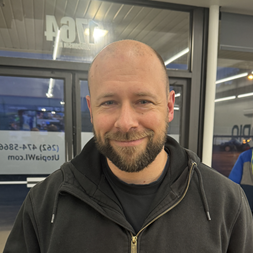
In Episode 20 of Inside the Wave, Perry sits down with longtime Utopia black belt Jimmy Kanno to unpack a 14-year journey that began without a grand vision and evolved into something far deeper than a hobby.
Jimmy did not start training to become a black belt. He started because he was bored, restless, and knew he needed structure. What he found on the mats was not just technique — it was direction.
Over time, jiu-jitsu became the steady anchor in a season of life that lacked consistency.
The Slow Transformation
Jimmy began training in 2012 at 28 years old. No elite wrestling background. No competitive pedigree. Just a willingness to show up.
Through injuries, plateaus, friendships, and personal struggles, he kept training.
As his belt progressed, so did his discipline. What started as an outlet became an identity. He moved from student to mentor, from teammate to leader, eventually stepping into gym ownership and deeper responsibility within the community.
His story reflects something many grapplers feel but rarely articulate: jiu-jitsu reshapes you gradually, then all at once.
Key Takeaways
- Longevity beats intensity. The people who stay win.
- Discipline can replace destructive habits when given structure.
- Community is often the true reason people keep training.
- Aging in jiu-jitsu requires humility and smarter training.
- Identity, not motivation, sustains long-term growth.
🎧 Stream Episode 20 Now:
About Utopia
At Utopia, we believe martial arts are about more than technique. They are about mentorship, resilience, and long-term growth. Every class is built around helping people become stronger not just physically, but mentally and personally.
Jimmy’s journey reflects the culture we aim to build. A place where people are challenged, supported, and encouraged to evolve both on and off the mats.
Inside the Wave is an extension of that mission. Through honest conversations with practitioners, coaches, and leaders, the podcast brings the lessons of the academy beyond the gym walls.
If you are considering starting jiu-jitsu, recommitting to your training, or simply learning more about the mindset behind long-term growth, explore utopiabjj.com and stream Inside the Wave on your favorite platform.
Why This Episode Matters
This is not a highlight reel episode.
It is a real conversation about staying.
It is for the white belt wondering if they will make it past blue belt.
It is for the blue belt stuck in a plateau.
It is for the 30-plus athlete balancing training with work and family.
Jimmy’s story proves that black belts are not built through motivation. They are built through repetition, community, and identity.
If you care about longevity in Brazilian Jiu-Jitsu, this episode will resonate.
Join the Conversation
If this episode connects with you:
- Subscribe to Inside the Wave
- Leave a review on your favorite platform
- Share the episode with a training partner
Growth spreads when stories are shared.
Transcript
PERRY: All right. Welcome to the inside of the wave podcast. Uh, Perry here with the famous Jimmy. Jimmy has been a staple in the utopia community for how long you’ve been training now for Jimmy? Uh, how many years?
JIMMY: Uh, since 2012.
PERRY: So that’s 10, 13, coming up on 14 years. Somewhere in there. Yeah. 14 years. How old were you when you started?
JIMMY: 28.
PERRY: Yeah. Rounding 43 now. A lifetime ago. It is. What a Jimmy then versus now. We’ll get, we’ll get into that.
JIMMY: I should ask you that. What?
PERRY: The difference between me then and me now. I mean, not, not a ton, but some major differences. Um, what got you interested in jiu-jitsu? I will say this. You did not strike me as a jiu-jitsu-y person when you originally came in. You were a big MMA fan though, right?
JIMMY: Yeah. What’s funny, you can probably guess who, being from a Hawaiian background. Me and my brothers loved BJ Patton growing up, and he was from Hilo, which is where our grandpa was from. I honestly thought it was gonna be just another hobby I picked up for like a few months. And then like every, most of the time they kind of fade out. It was a round of just lucky checks that lined up. Me moving back to Cedarburg with my brothers. And then it honestly, it was, you guys had one sign above your door and it was a green neon. It was in my basement. Is it?
PERRY: Yeah. It’s a super awkward sign because it says jiu-jitsu, judo, and kids.
JIMMY: Oh, is that the neon sign?
PERRY: Yeah, the neon sign.
JIMMY: I just remember seeing jiu-jitsu.
PERRY: Well, it says jiu-jitsu big and it says judo and kids underneath it. And it’s super awkward because it’s not like, it doesn’t say kids martial arts. It just says kids. We have kids here.
JIMMY: But I drove by that. I would go to the freeway and I drove by it a bunch of times. And I remember I signed up at Rufus Sport for like a two-month cash, of course, cash thing. In the early 2000s, I remember my first Gi class was Red’s first Gi class teaching. They didn’t have Gi before that. That was the early 2000s? It might’ve been like 06, 05, somewhere in that range.
PERRY: Yeah, so when I started in 2007, John was teaching a little bit at Red still. Or sir, a little bit at Dukes. But I think Red was teaching at Dukes before that and after that.
JIMMY: I remember that was a real intimidating experience. Uh, everybody there was for MMA. Oh yeah. And, um, it was real intimidating. And I remember I stopped going after like a couple months. I was still like into like my addiction and all that stuff. So it was a recipe not to continue a healthy hobby.
PERRY: Yeah.
JIMMY: And then I remember driving by and I saw that neon sign and I remember thinking it’s a smaller dojo in a smaller town, not knowing that it was attached to like this big Nutri-Grown family. Which wasn’t even that big.
PERRY: It was just like, it was one other school. Yeah.
JIMMY: It wasn’t nearly as big. Yeah. And, but I remember thinking like, this is going to be a lot less intimidating. I can, I can, I have the guts to walk in here and sign up. Yeah. And, I remember making the choice. I was like, I should, I was starting to get bored. I was like, I should sign up at this place. And then I remember going there in the morning, you guys were closed. And the website kept sending me to John’s website. And I’m like, it’s not Milwaukee. It’s gotta be Grafton. I didn’t know there was another link on there. And then I went back at like three in the afternoon. I’m like, they gotta be open, still closed. And then I was actually upset. I was like, I’m really signing up now. I’m like, I’m gonna, I think I went back one more time and Greg was the only guy there. And I remember meeting him and thinking like, oh crap, this is, He is intimidating. You know, it wasn’t like the lack of intimidation that I thought it would be. And you walked in shortly after, but it was kind of like the perfect recipe.
PERRY: Greg’s only intimidating because he’s so confident.
JIMMY: Yeah, yeah. He stares you right in your eyes.
PERRY: He’s not like a mean, intimidating or like, this guy’s going to kill me. It’s just like the confidence that this guy ensues.
JIMMY: He has a confidence the way law enforcement kind of does sometimes. And he had the mustache and all that too. And I remember thinking, this guy seems like he’s like a sheriff or something like that. But then I met you. I remember Fuji was sitting in the back too. There were some guys closer to my age. And it was just like a close close to your age. How old are you right now? Forty two. But they were like younger guys. Four years apart. Yeah. Fuji’s way older than you. He didn’t seem that way, though. That’s that’s because he’s. Yeah. Doesn’t age. No, he doesn’t. But it was a bunch of things that lined up perfectly. And that’s what just so happened to get me into it. And our dojo back then was a lot more of like a boys club.
PERRY: Yeah. Everyone, it was, it was just like, it was a legit jiu-jitsu club, right? Like it was very much not a, it was like a, just a social experiment.
JIMMY: Yeah. It worked out though.
PERRY: Yeah. Um, so long story short, right? Like it sounds like MMA got you interested. You dabbled a little bit. you didn’t necessarily jive with the atmosphere you’re in. So you tried a new place and just happened that you moved up to Cedarburg and we were close by. Yeah, that was pretty much it. Did you? Do you have any background in sports? You went to Brown Deer High School, right?
JIMMY: Yeah, I just played nothing combat. Well, I did taekwondo as like a little kid. I think most, like so many other people, but I mean, I played baseball. You black belt? What’s that? Black belt? No, no, no, no. I think I was a green belt. I don’t know what that means. Is that good? It’s like a good blue belt maybe. Okay. You get the basics in. Okay, cool. Um, I played baseball. I dropped out of football in high school. I was kind of a lazy, lazy kid.
PERRY: Disappointed my dad a lot. What did you, what, what did you do between high school and then starting jiu-jitsu when you were late twenties? Uh, I know you did a lot of manual labor, right? Like you’re roofing for a long time. Like that, man, that, I am impressed by the guys that like have jobs where they need to bust their ass all day. And then they come to a gym and bust their ass for like another hour or two training. It’s crazy.
JIMMY: Yeah. Because of roofing, um, there, there is a lot of like drinking in the harder jobs. Like if you’re a Mason, if you’re a roofer, those guys do tend to, I don’t know, party hard. Um, But, uh, that’s, that’s a lot what it was. It was a lot of, you have a lot of cash on you too. You’re doing a lot of side jobs. And it was a lot of just like, I worked at a foundry before roofing. And then I found a roofing that paid real good.
PERRY: Yeah.
JIMMY: And, uh, it’s one of the reasons why I really thought like I should sign up for this jiu-jitsu. Cause I had been doing like a lot of drinking. I still smoke cigs.
PERRY: Yeah.
JIMMY: And, uh, I was wasting a lot of time, to be honest. I remember you did smoke cegs. Yeah, I would come in. I was the stinky guy.
PERRY: Yeah. And then I would just remember like purposely just trying to cook you and be like, how those lungs feeling buddy?
JIMMY: Yeah. I wasted a lot of time though. Like jiu-jitsu has been the one steady, consistent thing. Yeah. And I’m glad it kind of became part of my identity. Cause it does kind of keep me from going back to all that, especially at an older age, it’s only going to get worse as you go.
PERRY: Yeah. So like what I remember of you when you first started, We were talking about it the other night at class, cash only enterprise. Jimmy signs up at the gym and I’m like, okay, here’s the form to sign up. It’s got the spot to either fill out your checking account or credit card. And Jimmy’s like, I don’t have either. And I was like, we need to have one on file because we just don’t chase people down for cash all the time. And he’s like, I’ll get one, but can I still sign up? I’m like, sure, man. And you end up getting a checking account just so you can put your information down. Yeah. But I get it. Like, you know, why? Why show all the government all that money that you’re making when you don’t have to?
JIMMY: Yeah. For a long time, a long time in roofing, I would just get envelopes of hundreds for a paycheck.
PERRY: Yeah.
JIMMY: And so it was just like I already knew I was I was living check to check, too. So it’s like, what’s the point of putting this in there if I’m just going to take it all out, slide under the next envelope? Yeah. And so that’s just the way it went. I, I had a phone bill. I paid my rent in cash or like money order. Um, and that was it. It just like, I got used to that. So that’s a money order. Money order is you can go to a, it’s like a cashier’s check. Oh yeah. From the hood though. Check cashing place is a brown deer thing. Yeah.
PERRY: Uh, Man, and I know like, you know, you’ve had a lot of struggles, right? With, you mentioned addiction at the beginning of things, right?
JIMMY: I think that has a lot to do with not having that, like a bank account.
PERRY: Yeah.
JIMMY: When you’re in that kind of life, you do stay right where you were. So even though I was coming out of it at like 27, I was still like a 20 year old. Yeah. Because it just stops you from progressing.
PERRY: Yeah.
JIMMY: So I never got a chance to go out to the bars and get kind of dumb with my friends.
PERRY: Yeah.
JIMMY: That all happened later. Everyone was already done with that by the time you got started.
PERRY: And I was fresh into it. And I want to say, like, you know, when we first started the gym, it was still a big. drinking culture in like combat sports and MMA. And so you know, we would definitely go to party a lot too. Right. So it didn’t help at first, necessarily, like I think it maybe makes you smarter, like, okay, I can’t drink all of the time because I need to train. But after we’re done training, we would still go to like, you know, the Hutch on a Friday, which is the bar, like two doors down from the gym. But eventually you just went stone cold sober.
JIMMY: Yeah, yeah. OWI number two, we’ll do that together. You know, it really was like I foresaw my future. When I went through the second one, I really didn’t change much habits. And then I really just had this moment where it’s like, I’m going to keep doing this and I’m going to end up going away for a minute.
PERRY: Yeah.
JIMMY: If I don’t. And then if I even have a little bit. I knew that window would be even cracked.
PERRY: It’s hard.
JIMMY: It’s like I cannot have that window be cracked.
PERRY: You get a speeding ticket. You’re like, I’m never going to speed again. Yeah. And if it’s three weeks later, you’re speeding again.
JIMMY: That’s exactly what happened. Yeah.
PERRY: Like, man, it takes it’s hard, right? It’s you need more than just like a wake up call. Because a wake up call is going to only wake you up for, it’s like a cup of coffee, right? You’re going to get tired after that. But super cool story and small world. And this kind of just shows what the Jiu Jitsu community is. The person that helped you, the lawyer, that helped you. Was that on your second one? Oh yeah. Yep. Is now a member. Yeah. He’s a good guy at the Academy. He’s had his daughter in our program and now you share the mat with him.
JIMMY: Yeah. He’s such a nice guy too.
PERRY: Yeah. It’s just, it’s one of those things where jiu-jitsu brings together the people from like the most different parts of life. Yep. Onto a common space.
JIMMY: Yeah. Yeah, for sure. It does. You know, um, It was going through all that legal stuff, too. But it was within months, you came to me, it was within six months for sure, where you were like, I want you to run a teens program. Oh, yeah. And it was like little things kept adding on to where it’s like, Alright, well, I quit for this long, I should just cut this out. Because things kept happening. Yeah, you know, and I met my wife. a few years down the road, but none of that would have, it was like, man, I’ve seen Jimmy grow up while I was growing up.
PERRY: It was like, Jimmy got a checkbook. Jimmy got a house. Jimmy got a wife. Jimmy now has this like flipping houses and has an Airbnb rental.
JIMMY: Yeah.
PERRY: Man. Jimmy has a W too. Yeah. But like that’s, you know, part of jiu-jitsu, right. And part of your black belt now, right. Part of getting your black belt is all the, not just jiu-jitsu growth as time goes on, but all that personal growth as well. Like you’ll see some people that over 10 years don’t grow. They digress.
JIMMY: I think the belt ranks. At my age, it was like a perfect time where things were getting better and happening. The belt growth almost lined up perfectly with like my life growth. Life stages, yeah. Yeah. Like purple belt, I was really starting to take it more seriously. I was starting to take life more seriously. And brown belt, your levels of commitment go up on the mat and off the mat.
PERRY: And then Jimmy gets engaged and you got married as a brown belt, right? Yeah.
JIMMY: Yeah. But it also becomes part of your identity, too. Yeah. And you don’t want to screw up what you have on the mat outside of the mat, too, in your real life.
PERRY: Yeah. And I know you’ve had a lot of. Close friends that do jiu-jitsu with you that you’ve either brought into jiu-jitsu or you met doing jiu-jitsu and then they’ve, they’ve left the jiu-jitsu scene. How. do you handle that? Because I mean, that’s something that’s also inevitable as time goes on, right? And I think I see a lot of people that they love jiu-jitsu, but they sometimes stop doing it because their friends stopped doing it. Right? Like their teammates, their matmates. How have you dealt with that attrition of friends on the mat over the years?
JIMMY: Uh, like another analogy to life outside of the mat, it lines up really well. Like people are going to come in your life and nothing bad necessarily needs to happen, but things kind of fade and you still know them the way you knew them. You’re just not as, you don’t share that one thing together anymore. I think it’s very analogous to that. Um, it’s sad and you, you wish they were there, but they’ve moved on the same way I moved on from the things. And, you know, it’s just figuring out that that’s just kind of part of life the older you get. So people will come and go. It doesn’t mean, you know, it’s not there anymore. It’s just not the whole picture together anymore. I think kids have a big impact on that, too.
PERRY: Like having kids?
JIMMY: Yeah. Yeah, for sure. My friends that most of them, I think that have faded out either gotten to something else that they really, really loved and enjoyed. And they doubled down on that. Or they just family life, which they had to double down on to, which is priority, clearly.
PERRY: You know, I agree. Or you get people that like they move or, you know, some of them just. Yeah, they just don’t like jiu-jitsu anymore. It’s not their thing, which is okay. How many times have you wanted to quit, like truly thought about quitting? Not like the, hey, I had a shitty training session. I’m not doing this ever again, but like, I feel like I should probably just stop doing jiu-jitsu.
JIMMY: I don’t think ever.
PERRY: Are you just going to do it forever? You just got that feeling like, ah, this is part of me.
JIMMY: Yeah. My fantasy in my head, it’s kind of my retirement goal. Tell me all your fantasies. This will lead into one of my questions for you. How do I keep my butt so hairless? Yeah, that too.
PERRY: That’s weird. What’s the process? Tell the story on that one.
JIMMY: Jeremy’s like, what? Incredibly smooth. Um, my fantasy is to be an old guy. I see these like older, all grayed out gentlemen that are professors and they may not roll, but you got a single gray hair on that head yet. I have down here. I do. I have a lot. Too many to pluck now. All right, so you’re gonna be this gray haired. I would love to own like a kids program like in some little town that has nothing. Like one of our Airbnbs, our cabin is in Friendship in Adams County. I think the population is like under 800 people.
PERRY: Yeah.
JIMMY: I didn’t even know Adams was a county. Yeah, it’s up there a little bit past the Dells.
PERRY: Okay.
JIMMY: But that’s kind of a little town like that owning a little place and just teaching for fun. And yeah, I don’t think I’ve ever had a moment where I’m like, I don’t know if this is really for me anymore. I have moments where I’m like, uh, telling myself I suck still, but I don’t know if that’s ever pushed me to the point where I’m like, I don’t know if this is for me.
PERRY: Yeah. But man, that’s the best part about jiu-jitsu in my opinion is like, being excited for the days where you’re like, I suck. Cause then you’re like, I still have so much to learn. Right. If you’re able to be the person that can pivot that thought, um, and I still have, I was just talking to one of the dads at the Academy. I still have days where I feel like I’m the nail. Right? I also have days where I feel like my Jiu-Jitsu is just broken. Like nothing is working. I’m like, what happened today? And I can tell you with all white belts, I’m like, my shit is broken. Yeah.
JIMMY: Yeah. You tell yourself in your head, okay, I’m really gonna try this now. And it still doesn’t work. Yeah. That’s something I’m kind of dealing with, with being a newer black belt too, is I had this idea that, Up until maybe Brown Belt, a Black Belt was this wizard that has a magical power where they’re only losing if they want to lose. And then when you get there, you’re like, oh, you know, these guys are still students too. Along with that, being somebody in their 40s now, where you do have to keep applying more and more effort to just stay where you’re at. It’s not even getting better anymore. It’s like, if I want to stay where I’m at, I have to put in more effort every day. Yeah. Which is something you have to figure out too, and you have to deal with.
PERRY: But it keeps you young. How many people do you look back at from high school and you see pictures of them today and you’re like, bro, we’re the same age.
JIMMY: Alcohol and tobacco ages you very, very quickly.
PERRY: But think about how much alcohol and tobacco you had. You just had something else offsetting it and now you have, because you don’t have it, now it’s just pulling you into the fountain of youth.
JIMMY: Yeah. Back to your more natural state.
PERRY: And those Hawaiian jeans you got. Oh, I wish.
JIMMY: Um, yeah, that’s definitely something I, I’m, I’m trying to yet figure that all out. Um, like the right balance.
PERRY: Yeah.
PERRY: So back to my, just cause I don’t want it to be too awkward about my a hairless ass. We went on a trip to the DC with like five or six of us staying in one hotel room because that’s all we could afford back then. DC to train with Ryan Hall. Probably one of the coolest Jiu-Jitsu and most humbling Jiu-Jitsu experiences I had when I was a, was I a purple belt, maybe? Where you get you guys blue belts. I think you guys were brown belts. I think I was a brown belt.
JIMMY: Yeah, I think you and Luke were brown belts.
PERRY: Yeah. Cause I remember Ryan just destroying me in Nogi on the first night. And he’s like, what rank are you? And I was like, I have to tell him the truth. I’m a brown belt, but I don’t feel like I did any GG. I did. I legit did zero techniques to him. There’s a few people that I’ve done zero techniques to enroll Ryan hall, uh, Andre Galvao, Lovato. where I literally did nothing. I didn’t even break their posture. I didn’t make them take one step that they didn’t mean to make. And I’m not saying I didn’t hit a sweep on them. I hit nothing on them.
JIMMY: He had no stripe white belts. In Milwaukee, I had just gotten my blue belt, and I felt I had a blue belt like the high that you get from getting your blue belt. I’m finally a blue belt. And I felt like a blue belt here. And then going there, he had, well, actually, I don’t know if they even did stripes at that gym. Did they? No, I don’t think so. He had some white belts, though, that had very crisp new white belts that I was in the same, they were just kind of like cutting right through me. It’s crazy.
PERRY: Yeah.
JIMMY: His beginner, I honestly don’t think I was ready to take in as much as I could have if I was a little bit more, had more time in jiu-jitsu. There was so much stuff that went right over my head that I wasn’t ready for. Yeah. And that was his beginner class.
PERRY: Well, anyways. We were getting ready for a class one day or whatever, getting dressed in the morning, and when you have like six guys in a two bedroom hotel room, that’s everyone just does it in the same room. I was probably being contrasted with everyone else, with everyone else who is there like Evan and Luke and Benson, Evan, Luke and Benson. And we all just change and, you know, modesty a little bit, you turn away. So people only see your, your backside and not your front side. And then apparently I had the most hairless ass out of everyone. And Jimmy caught Jimmy off guard.
JIMMY: It was like, I think it was in contrast though.
PERRY: Yeah. So we had three of the hairiest individuals. That’s been a running joke for the last decade, at least. Yeah, boys will be boys. Boys will be boys.
JIMMY: Man.
JIMMY: Well, what was your what was your maintenance for that? What was your daily routine to keep my ass hairless?
PERRY: Yeah. It’s probably the Jiu Jitsu butt scooting, right? Like. That’s it. Honestly, I probably still don’t have hair on my ass. Oh, you’re a lucky guy. Not to get gruesome, but like between the cheeks. Yeah. But I don’t think like on my outer ass I have like. How old are you? I definitely can’t grab a handful of it. How old are you Perry?
JIMMY: 38.
JIMMY: Yeah, just wait a little bit. Once you hit a few more years.
PERRY: And I don’t have like back hair either.
JIMMY: That’s incredible. I mean, I have like a little like patches.
PERRY: I didn’t until I hit around 40 and then things just start happening. I think I’m just balding. That’s the gift that God gave me. He’s like, no hair on your head, but also no hair anywhere else. Here’s your curse. Yeah, exactly. Yeah, well, I’m there too. plateaus in your tenure of Jiu Jitsu, you’re bound to have a few hundred of them. Most of it most of the year, you know, I feel like a lot of times those plateaus cause make it or break it moments in Jiu Jitsu. How do you how do you push past those? How do you handle them?
JIMMY: Really just hearing guys who have been in it the longest saying just show up. Yeah, knowing that everyone they luckily we are in a community that talks about plateaus a lot.
PERRY: Yeah.
JIMMY: On random videos, you’ll hear it more than any other sport, I think, or any other kind of hobby, talking about plateaus, because they are so frequent.
PERRY: And they’re super clear in an individual sport. Oh yeah. Right? Like, hard to tell if you’re a football lineman if you are personally plateauing.
JIMMY: Yeah.
PERRY: Yeah. Very clear when you’re the hammer and the nail.
JIMMY: Yeah.
PERRY: Because you just feel like the nail for three weeks or your feel like if you’re lucky, you feel like a screwdriver that’s stripped. Right. Like just you go for it. Just no torque. Nothing.
JIMMY: It really. Yeah. For me, it really was just showing up and just it sounds kind of.
PERRY: weird going through the motions. How do you develop the discipline to just show up when every role is getting smashed when you’re being plateaued when you’re in a plateau? Cause I think that’s another thing, like just showing up when you’re, uh, when, when, you know, you’ll have a chance at doing well, but like, man, you know, there’s times in jiu-jitsu where like, you’re talking like weeks of just being like, oh, I’m not getting better.
JIMMY: I’m trying to remember what it was like earlier on, it was like a whiter blue belt, where there’s not as big of a group under you that you know you can kind of work out some things with.
PERRY: Yeah, you just kind of like, you know, when you’re a brown belt on a plateau, it’s like, hey, purple belts, I’m not gonna train with you for a while. Yeah, yeah, yeah, for sure. I’m gonna go train with the white belts for a little bit.
JIMMY: I’m gonna avoid this person, this person, and just, yeah.
PERRY: I mean, part of it too, I think, is you were an instructor for a long time, right? Um, you were teaching teens, you had your own gym and when you, when you’re teaching and you have your own gym, you don’t have a choice. Like that is discipline baked in because that makes you go to class. And I think that helps a lot, but yeah. What would you do when you weren’t teaching? It’s hard to remember, right?
JIMMY: I’m trying to remember it. I know it was a lot of, um, Oh, and you know what? When we, we talked a second about people that have faded from doing jiu-jitsu and that, um, when I, for the first, like two or three years though, I had Jesse Fisher and he lived with me for a while. So a lot of, I do remember, I don’t know if I would still have been in jiu-jitsu if it hadn’t been for a lot of times where he goes, Jimbo, I’m gonna drive. You don’t even have to drive. Grab your bag.
PERRY: Accountability, man.
JIMMY: Yeah. And he’d be like, let’s just go. And I’m like, we just got done roofing. It’s the middle of July or August. I’m tired, man.
PERRY: I just baked in a 95 degree pure sun for eight hours straight.
JIMMY: Yeah. Him getting me to come when I didn’t want to go to class definitely was a big part of it. I think having it be a part of your identity also helps you go like, hey, this is part of who you are. You need to at least go. And once you put on the gi, it’s like coming here to work out. Once you get going, you’re happy you did it. You have to get past that. You have to go through the motions and eventually things will just kind of pick back up and click on, hopefully.
PERRY: Yeah. And speaking for that, like something I never thought of that, you know, sometimes I go to Jiu Jitsu to get better at Jiu Jitsu. Sometimes I go to Jiu Jitsu just to hang out with my friends. That’s a big part of it too. Right. It’s like, I don’t have to go to necessarily get better at Jiu Jitsu. I just want to go to see my people.
JIMMY: Yeah, training with a bunch of people you enjoy being around. It’s funny, a lot of times when I am kind of in a slump, I’ll be driving to class and I’m thinking like, I’m really going to go after people tonight. I need to like, pick this back up and get over this mental thing. And then when I walk in the dojo though, I see like smiles and that fades real quick though. Like I need to be aggressive tonight, but that has to do with being around everyone you enjoy being around. I agree. You know, and there’s a lot more of those than not.
PERRY: Yeah, man. And you like jiu-jitsu so much. We didn’t talk about your, uh, your stint as a gym owner. Yeah, it was interesting. What got you, uh, interested in opening up a gym location?
JIMMY: Uh, you know, like I said, that’s kind of like my fantasy for retirement is having a little thing. And I always enjoyed our atmosphere. And I always kind of thought, um, having a team of my own. Yeah.
PERRY: And you wanted something like in the Brown deer area, right? Like you wanted to bring jiu-jitsu back, like home for you.
JIMMY: Yeah. I think if we might’ve had our own location, um, there’s a pretty good chance I probably would have held on to it.
PERRY: Yeah, it was hard. You’re sharing space, right? Anytime you’re sharing space. Yeah, especially when you’re when the other person owns it.
JIMMY: And he’s an old school guy that love things the way he and which, you know, that he, he had that. He’s had that place for like 40 years, I think. Um, and he’s an old school guy who wanted it his way.
PERRY: And, um, you essentially, so for the listeners, right, you opened up a jiu-jitsu school out of a judo club and a judo club that’s been in the community for like, you said, 40 years. Yeah. Right. Like if someone in the Milwaukee area says I do judo, you’re one of three places. Either you train with me, you train with norm, you train at Adrian’s right. Or wahadachi. Um,
JIMMY: So he’s like been around for yeah forever Yeah, it’s just it’s something I definitely want to get back to to at some point Now that I got a little taste of it too. Yeah, I kind of know what to expect a little bit more I’ve studied you a lot and like the growth from where we were and just having like a real Casual kind of attitude about everything and yeah people come and they go you don’t try and really stop anyone from or finding out why they’re leaving. It’s just like, well, that’s just the way it is. And actually striving to like run a real business inside of a place that has a culture where it’s also buddy, buddy. And we’re kind of working hard and playing hard at the same time.
PERRY: Yeah. Don’t get me wrong. I do try to stop people from quitting. Oh, yeah, absolutely. But like, in a coach sort of way, you know, any kid that quits our program, like one of the first, well, one, we want to know why they’re quitting. But an important thing to us is that they’re doing something else instead, right? Like, Hey, you want to quit jiu-jitsu because you want to pursue basketball because you really like it, or you want to try something else. That’s great. Good for you. Like I did all that shit when I was a kid. Enjoy it. The beautiful thing about jiu-jitsu is like, it’s one of the few sports that’s always there. Like what else can you do as you get older? You can run, bike. My grandma played tennis. Old people can golf. And now, like, jiu-jitsu. Yep, exactly. You’re not playing football. You’re not playing baseball. Few people are playing basketball, even though there’s, like, lunch basketball leagues and stuff like that. But, like, jiu-jitsu’s always there.
JIMMY: Yep.
PERRY: There are a lot of limited-time sports that, like, if you don’t play it in high school and you don’t get your time in before high school or college, like, you’re not playing it ever.
JIMMY: It’s harder in team sports to work at your own pace too. Like you have to keep up. If you’re not keeping up, you’re just kind of a drag on the rest of the team.
PERRY: Well, we have a sport where we can kind of move at your own pace as long as you’re okay with moving at your own pace. I think that’s the one thing that Jiu Jitsu teaches you to, how do you compare your progress to yourself and not everyone else around you? So I think a challenge, I was just talking to someone about this when I was onboarding one of our new adult members. You know when you start jiu-jitsu and you’re 40 years old you have to remember that like you’re sharing the mat with 19 20 year olds right and If you get a 19 year old that starts on day one and a 40 year old that starts on day one You can’t it’s different worlds. It’s different right like they recover faster. They have a little bit more like neuroplasticity in their brains It’s different right you as a 40 year old you You might have, you have like the life experience and the dedication and the discipline. So like you might outwork them and out hustle them for sure. But don’t think that, uh, your biology is going to give you any advantage there, right? Your mindset will, but your biology is not. Yeah, for sure. I, uh, I still feel like I’m in like the best shape of my life right now. You work hard at it. That I also wonder if I had this level of discipline when I was in high school, I think I would be way more successful than what I was.
JIMMY: Yeah. It talking about people who just signed up, that’s one of the things I’m still trying to kind of work out as a black belt. Um, I think having the experience like Nate, he’ll be a black belt probably before he’s 30.
PERRY: Well, so Nate to give context, like started with us when he was six or seven with his brother, who’s slightly older. Um, Paul, their dad is a black belt now. Right, Nate is off at college. Uh, you taught him through his teen years at teens class, but it’s crazy. Yeah. Back when we started, like there weren’t kids doing jiu-jitsu, like places barely had kids programs. And now you’re to the point where. Kids programs have been along long enough that when you’re, when you’re 19, they might be new at jiu-jitsu or they might’ve been training at 10 years back in the day when we started, if you’re 19 in training, you just started jiu-jitsu or you moved here from Brazil.
JIMMY: Yeah.
PERRY: Right. Cause kids jiu-jitsu wasn’t a thing back then. So it’s like catching up and it’s really progressing the sport, but yeah, you’ll be a, you know, Wisconsin is going to start seeing some young kid, homegrown black belts.
JIMMY: It’s going to be crazy. I, I think their experience is going to be so much different than I or yours.
PERRY: I mean, your, your average age of your black belt that I’m just, Total guess right now. People right now get their black belts probably when they’re like 40, 35, 40. And it’s, it’s going to drive down to like 25. Yeah.
JIMMY: It’s going to be completely next five or 10 years.
PERRY: Um, you’re going to see the percentage of 25 year old black belts in Wisconsin go. Yep.
JIMMY: Like I was saying before, too. Um, I feel like I have to give more effort just to stay where I am. Whereas if you’re 25 and you’re a black belt, you’re still, you have a decade more of still going to say like males peak, like your male peak performance is like
PERRY: Below 30, like 32 or something like that. Like you got another seven years of peak performance. Yup. Yup. And growth. It’s crazy. Yeah. Um, what was the most rewarding part about owning a gym versus teaching, just teaching classes? Cause I’ve been, we have another jiu-jitsu buddy that just stepped away from ownership. Cause he’s just like, I just want to teach.
JIMMY: Yeah, I can relate to that for sure. Um, talking about those like plateaus and needing to find motivation in yourself to get things done. Um, you don’t get time off when you have a dozen people that, you know, are going to show up on like an average night that are really driven to train. They’re new to it. So they’re just as excited as you were when you started. And, um, I guess if you’re okay with letting people down, It goes right over your head, but you know, if you can relate to how much you enjoyed it when you were brand new, it forces you to come, but it does. I did have nights where it became a chore or no one showed up and there’s 10 minutes past the hour and I’m getting, I’m getting ready to lock up and all of a sudden somebody pulls up and it’s me and them basically doing a private. Um, Teaching though was, uh, that’s the most rewarding part. It’s extremely rewarding.
PERRY: Uh, I mean, I tell myself every day I’m at the gym, right. And something that, that drives me as a, as a coach, as, as a gym owner. is you don’t know what everyone else has going on in their life. That not only could this jiu-jitsu class be the best part of their day, like it could also be the most important part of their day. Most important part about their month, right? I remember like when my grandma passed away, I was like, you know, I was close to my grandma and I was like, I gotta go to jiu-jitsu. Yeah. And John asked me that day, he’s like, hey, how you doing? I’m like, I got to be here today. Yep. Like. Yep, that’s a great way of looking at it. Like, and as a coach, you don’t know that. As a training partner, you don’t know that, but it’s something that you need to remember.
JIMMY: Yep, and that’s everybody. Everybody has something. Something going on. And you have no idea, but you can almost guarantee it.
PERRY: And that’s why, you know, that’s why I named Utopia Utopia, right? Like, I want it to be that place where you could come to and it can be that part of your day. And I named it that because my wife and I were on our honeymoon in Greece, and I was sitting in Santorini, which is like the big, beautiful photo place. I was looking up over the caldera where there used to be a volcano and stuff, and I was like, Like everyone around me is so happy. Like all the people that live there are so kind and so nice and just like loving the Greek life. I’m like, dude, this is like, I want to make this, this is amazing. Like I want to people to feel this way. Like when they come to our gym, like you don’t have to go to another country in another culture to feel it. Like I want you to feel that with us. You’ve done a good job. Try best I can.
JIMMY: Man, I would have a real hard time. being that I never trained anywhere else, I would have a real hard time picking back up somewhere else. It’s tough. Out of our atmosphere.
PERRY: Every gym is different.
JIMMY: Yep.
PERRY: They are. Yeah. Every gym is very different. It’s like DNA, right? And you can’t just try to recreate a DNA. You know, I think it’s, you know, I’ve been thinking about how do we make the utopia reach bigger? And that’s one of my, Things I’m like, well, if we do make it bigger, how do we keep what we have and extend that?
JIMMY: Yeah.
PERRY: I don’t know. It’s like, you don’t want the experience to change. You don’t want to water it down. One thing that’s been important to me is to make sure the gym isn’t about me. Right. People don’t come there for Perry necessarily. Right. I want people to be there for what it is as a whole.
JIMMY: You should give yourself a little bit more credit, though, because you are a big part of it. Yeah, like you’re a big part of the atmosphere. If you have just some a whole professor. Yeah, that’s, you know, more military-like in the way that they teach and what they expect. It would change, I think, who the coaches and how they teach, the quality of teaching, and their attitude is a very big, you’re a very big part of that.
PERRY: Yeah, but you definitely see like, you know, if I’m not at the gym, like there’s just as many people at the gym. Right. But you’ll see some gyms where like if their head coach isn’t there, just gone. Like no one’s there that day.
JIMMY: There are nights like that though. When you’re not announcing that you’re not going to be in.
PERRY: Oh yeah, yeah.
JIMMY: Classes aren’t significantly smaller. When you announce it, it’s, and people know you’re not going to be there, whether it’s.
PERRY: And I think that was a bigger thing, like You know, like five or 10 years ago for sure. Or it’s like, Hey, I’m not gonna be around a Thursday X, Y, Z is teaching. But now that. I have stepped back from teaching so much and you know, we have so many of our other black belts and coaches, like just teaching classes all the time. I do think it’s given the opportunity for students to get to know all the other coaches and get attached to like different coaches too. Yeah, it has. Um, like here’s the deal. Like I, I. Not that I’m incredible at jiu-jitsu, but I like to think I’m decent. But I also think I’m as good as I am because I’ve trained with so many different coaches. I have so much jiu-jitsu that I’ve pulled from John, obviously. But Seth and Luis and Tiago, when they’re with us, and I go to all these seminars that To me, it’s important that people train with other people because my jiu-jitsu isn’t going to be 100% for you. You’ll pick some stuff up for me, but you’re going to get some stuff from Steve or Dan. It’s important to learn from a lot of other people. That’s also part of the culture that I try to create as well. It’s like, don’t just come to my classes. I can only teach you what I can teach. You have so many other people that can teach way more than me.
JIMMY: You, and I wonder if there was a seminar or something that you did, or even private lessons or something. You have changed in the way you teach over maybe the last like three or four years. We used to be very standard, like we’re gonna work the triangle this week. We’re gonna work the arm. And that’s how I think a lot of places do teach. Was there something that, it feels like there was a moment where we focus a lot more on position, very basic positional stuff that makes a big difference though, like we’re going to hold somebody down in side control. And these are the things I’m looking for.
PERRY: I think there’s a couple of things. One, it’s like the growth of the ecological style learning where it’s, you know, you’re creating many situations and putting constraints around it.
PERRY: Yeah.
PERRY: It’s like person on top. Here’s where you start. Here’s what your goal, here’s what your finish line looks like. Person on bottom. Here’s what your starting point is. Here’s what your finish line is. And here are the constraints behind it. Um, that has been growing a lot in jiu-jitsu lately. So we’ve implemented it. It’s one of those things, like you either see a gym do the traditional style learning where it’s like. Hey triangle choke step one, two, three four. It’s a circle that just yeah And we’re gonna tell you exactly how you do it and then there’s the style of teaching where it’s like hey We’re gonna put you in a position that’s going to gravitate you towards a triangle But you need to learn how to do it on your own Right, and I think both of those are just tools in the toolbox and we started to combine those so I think the growth of that has been big and The other thing that’s allowed us to do that is introducing our fundamentals class, because we can take, we can take a lot of the basics. We could take a lot of the fundamentals out of our regular classes and just put them in the fundamentals program. Yeah. I didn’t even think of that, which is, it was a good thing and a bad thing because now I see a lot of, you know, blue belts. Uh, high white belts that weren’t around when we had fundamentals, not going to fundamentals. So the fundamentals aren’t very good because all they want to do is advanced class. And I’m like, you know, fundamentals class, like you should be going to it as a blue belt still. It’s great. Like, yeah. Look at your buddy Diego, right? Yeah. Do you go, he still, he still loves the fundamentals. Dude, that, but like his technique is so solid. He started with you at gold star when you’re doing gold star, you know, you guys closed and it took him a little while to come train with us, but you’re watching him. do fundamental technique, like he really focuses on doing everything like perfect black belt level. Yeah. Yeah. Right. And I think more people need to approach fundamentals. Like I want to do this at a black belt level. That means if I’ve learned this move 30 times already on my 31st time, I’m like, what can I do a little bit better?
JIMMY: Yeah, a lot of people don’t like drilling and Diego is like the perfect example of like, a lot of guys want to roll. I just want to get my math time in and I want to roll. Yeah. Where he’s, when other people were rolling at Gold Star, he was always like, can we just drill for 10 minutes? Yeah. And he would, he would want to aggressively drill the thing. He’d go slow obviously at first. And then it would be similar to rolling, but not quite rolling where he would want to do it kind of in real time. Give me resistance pressure test, right?
PERRY: Like, Hey, I learned a technique. I want to make sure that my technique works, but I want to be in a situation where I can actually hit it. So that is the part about open rolling is like, man, if I’m working on daily Hiva and we do open rolling, we start standing or we start in guard. Like what are the chances I’m actually going to get reps at what I’m trying to learn? Yep. Right. So again, I think it’s, it’s important to use that as a tool in the toolbox.
JIMMY: Yeah. It’s a recipe for advancing and having a really solid game for sure. It’s not going to hurt. That’s for sure.
PERRY: Yeah. Yeah. Um, how do you, so, so back to like personal, and this is probably like one of the last things that I have for you. You got a lot of stuff going on, man. No kids. Right. But you got like, you got your Airbnb now you’re flipping houses. Uh, I know you love fishing. You got the wife, like how, um, you’re still coming to jiu-jitsu. Like, how do you, how do you balance, how do you prioritize, how do you fit it all in?
JIMMY: Not having kids.
PERRY: I say that all the time.
JIMMY: It’s like, do not have, I have so many friends. Um, and. I’m fortunate to know a lot of great parents where it’s their whole world is their kids. Yeah. So I do, I appreciate, I always envisioned having kids, but I do appreciate The reality is I don’t have children, so I do appreciate that I do have a lot of time that I can pick and choose exactly what I want to do. And just making sure that I keep the important things in front, like my wife and making sure my job is going good, making sure I can make it to class. All the rest just kind of falls back. If I can get out and go fishing, or do whatever else I like to do, that’s great. But as long as I keep my priorities and what I really wanna keep in my life in front, again, children blast all that away, because that’s priority number one. And I reflect that a lot. The older I get, I really reflect a lot on how If I do have the time and this is my situation, I’m really appreciating and trying to make the most out of what I can do.
PERRY: But you also like, man, I think some people just figure it out, right? And some couples just figure it out, right? Where, granted, I also don’t have kids, right? But, you know, take a look at so many of our members have kids, right? They need to, in the early days, they need to cut back on their training, but they still find a way to make it in. Right. Male, female, whatever you, I feel like you just kind of figure it out. Granted some other things, some other hobbies might have to go on the back burner. Right. I think like what you said, it’s all about priorities. You know, I, I like playing video games. I like jiu-jitsu, but if I had to pick one, like I know what I’m going to pick. Yeah. Yeah. Um, like I like running right now. I like jiu-jitsu, but if I was to pick one, I know what I want to pick. Yep. What’s your, uh, so you said wife is one job is to jiu-jitsu for sure. Yeah. Does Trina ever tell you you have to go to jiu-jitsu? Like, can you please go to jiu-jitsu today?
JIMMY: No, but she does get it. Like she knows that I kind of need this. I’ll get crankier if I miss a week or five days or something like that. And I always refer back to like, oh, it’s part of my identity and stuff like that, which is true. It’s not just something I tell myself, but I’m making sure that it does stay part of Like if I’m not going to have kids and have this whole other branch of my life, I have to make sure that I’m not just, you know, not to be like blunt, but like being a loser, so to speak, and just wasting my time away, which I look at. I do have a lot of friends from high school that I have a small group that I do keep in touch with. And a lot of them do have children and they’re great parents. And there’s a good amount that don’t have kids. And I just watched the years go by where nothing changes, except maybe their health. And we can see it.
PERRY: But look at like Neil, Neil, like. His wife brings the two little girls to watch him train at the gym for like a half hour some nights. I’m jealous of that sometimes, for sure. Oh, dude, me too. I also like when they all go Perry.
JIMMY: Or they cheer dad, dad, dad, dad. Not just that, but his dad comes in and sits and watches. And man, I’m jealous of that too. Um, I, speaking of Neil, I think they’re having like multi-generational black belts of judo and grappling in their family is like one of the coolest things. If I were to have kids, I would want it to line up that way.
PERRY: especially make it in a way where like your kids want to do it.
JIMMY: Yeah.
PERRY: Right. It’s not like Neil got his black belt when he was 18 and was like, all right, now I’m an adult. I’m done. Right. Like still there. Even with like being deployed to Kuwait and like all this stuff, going to dental school, he’s still showing up.
JIMMY: Yeah.
PERRY: She get him on. I’ll get him on the podcast.
JIMMY: And I think what’s saying how a lot of things are like part of my identity or your identity, that’s part of like their family’s identity is like, you don’t really have a choice in it. When you’re young, you’re going to get into judo. You’re going to learn how to defend yourself and throw people. You’re going to learn the discipline. You’re going to learn what your body is capable of. And I think if they wanted to drop out, like if Neil didn’t want to do it after he became an adult, I’m sure his grandparents or his grandpa and his dad would be okay with it. But it’s still, by that point, it’s a core part of your family and kind of like your shtick for your family.
PERRY: It’s just so interesting though. Cause like, you know, how many parents put their kids in soccer because they were really good at soccer and the kids get burnt out from soccer. So like, I want to know what was the magic like sprinkler spice that they did that prevented that burnout and like, desire to like, ah, I’m not gonna do this. Like they want to do it. Like the culture that they have.
JIMMY: Yeah, it’s so cool. Yeah, having like a martial art lineage family like that, you know, and we look at the Gracies in jiu-jitsu and obviously they have that. So it kind of mirrors that really well. I don’t think the Gracies had a choice. No, I don’t, I don’t think they did either. I, I, I don’t think in the Neil family and the Rosenberg family, I don’t, I don’t think for a certain amount of years, they might have a choice either. This is something that you’re going to at least get efficient at where you have it for the rest of your life. You can always go back to it if you need it. But after a certain point, yeah. I wonder what that is. I’d be really interested to know, like what keeps, like you said after, I think he’s in, I think he’s at army right now. I think he’s, or at least last week, I think he was. But yeah, going through dental school, I think he had his own practice for a while too. Yeah. And it’s like, yeah, there’s gotta be something else there that whether it’s identity or just the love for it.
PERRY: I want to be able to do that. You know, if and when I do have the opportunity to have children, I want to figure that out. Yeah.
JIMMY: I think making them go, but not being so aggressive about things. I don’t know. Look at like,
PERRY: Paul’s done it. We have so many dads that have done it. Paul’s done it. Steve has done it. Oh, she’s killing it too. I know. Absolutely killing it. They were on the podcast.
JIMMY: It was a great podcast with them. I enjoyed it. Steve and Audrey. Steve’s origin story, every time I hear him talk about that, it’s so similar to mine. And I wonder a lot how many, what percentage of people have that exact same, Like I was bored, I was in my middle age, getting close to my middle age. You don’t want to sit in a gym and just work out. So I got into this and it’s like, I wonder how many… I’ll tell you, it is 90% of people. I can see that. Every time I hear Steve talk about it, it, uh, I just, I love, I enjoy hearing it because it’s so similar to mine. Yeah.
PERRY: Cause I, I sit down with every new member we have and I’m like, Hey, what got you interested in Jiu Jitsu? Why now? It’s cause like I’m bored. Uh, I need a new community. I feel like I’m stagnant at home. I just sit at home and you know, the only friends I have are from work. The gym’s getting boring. And why did you go to the gym? I don’t meet anyone. Just like, I just want, So it is like, yeah, I heard about this on Joe Rogan, Jocko Willink. I watched the UFC. I used to wrestle like X, Y, Z, like in that little nudge in the direction, but that’s what it is.
JIMMY: Yeah. I’m grateful. It became what it is for sure. What else you got, man? Um, I was going to ask you my phones over there, but it’s fine. Um, I had a couple of them written down. Um, So I, I talked a second about like my retirement kind of fantasy is to own a little, where, where do you see, where do you see yourself at like late fifties, 60 years old?
PERRY: Oh, do you load? Do you?
JIMMY: I mean, there’s only in a dojo still.
PERRY: Yeah. Yeah. I mean, I’ll still own a gym, hopefully more than one still teaching. I’ve always wondered like, man, what happens when I kick it? Like, what if I got hit by a bus right now? What would happen to the gym?
JIMMY: Yeah, you know, not to be like a downer, but with the passing of Rufus, with Duke Rufus. I think you’re going to kind of see a little bit of that over the next couple of years. What is going to happen? Because he spent a lot of time building that world up.
PERRY: That’s true, but Duke at least has a business partner that does all the operations.
JIMMY: That’s been there the whole time.
PERRY: Yeah, and manages the books and stuff like that. I’ve probably got to figure this out. If I got hit by a bus. What would happen? Who knows where my checking account is? Yeah. For the gym, right? But yeah, you know, and then even when I get to the point where it’s like, man, I can’t teach, I can’t do the gym thing anymore. Like true retirement, like what’s the succession plan? Yeah. What does the picture look like? Right. Who’s gonna, who’s going to take it over? Yeah. That’s a tough question. Especially because I don’t have any kids. Right. It’s not like I have an 18 year old that’s like loving jiu-jitsu right now where the choice is obvious. Granted that’s also really far away. Yeah. I think you got plenty of time though. It’s funny though. Right? Like right now, most jiu-jitsu gym owners are like 40, 50 and 50 is young. Right. I remember when I was 20 and like 50 year old, Holy cow. Now I see a 50 year old. I’m like, they’re whooping my butt still. I’m like, okay. But like, you’re going to see gym owners that are going to be, you know, not starting gyms when you’re 18, 19, even 30 anymore. Yep. So that’d be interesting. What like all these gyms do all these small businesses.
JIMMY: Um, yeah, still 50 still teaching. Um, the other thing that kind of ties into that is when you and Luke started, did you ever imagine that you’d grow it into this? Hell no. Okay. So that’s, that’s perfect. So if not, I had a followup, which was when was like the moment where you were like, you finally had like this bigger vision where you’re like, you know what? I not only do I think this is what I want, but I’m pretty sure I can pull this off. And you know, I, I, I thinking about that, I thought about that question. And one of the things I do remember when we kind of started branching off to like being a legitimate, we’re not a drinking club that does jiu-jitsu anymore. We’re a jiu-jitsu club. And that’s our main is when I remember a shift when you got somebody working the front desk.
PERRY: Oh, yeah, really?
JIMMY: Yeah. Or either that or it was talent to sit up there.
PERRY: Yeah, Kim.
JIMMY: Oh, yeah, Kim. So like, since you did say no, when was there a moment where you were like, I really I think I can do this thing?
PERRY: Yes. So I mean, when we started the gym and I was in college, I was young and dumb. And when Luke and I were like, hey, let’s start a club up in Grafton. And he’s like, I got a spot at Form of Fitness where I teach. And I was like, I got extra college loan money so I could buy mats. You don’t think like, oh, I’m starting a business. And when you have a business, it’s like having a kid and you might have it forever unless you put it up for adoption. Right. Like you just don’t think about that. Like when you open gold star, you weren’t like, what, what are I do with it? If I need to close.
JIMMY: Yeah.
PERRY: Right. Like, where are these people going to train? But like, that’s, it ended up growing where I was like, if I, even if I enter, I never entertained closing. Um, even if I were to close, like where all these people go train. Yeah. Like, but when Luke left, and I think there was a challenge, because I think Luke always wanted it to be more. And I don’t think I shared that vision with him. I think he cared a lot more about it. And we never talked about it, right? I never asked, which I feel bad about. It is what it is. But when he left to take a job out in Boston, and he left me his half of the gym, I had a come to Jesus as I was like doing all of it where it’s like, okay, cool. I went from a 5050 owner, where I had 50% of the risk to 100% owner, where now I have 100% of the decisions, but I also have 100% of the risk. Yep. And being a club that was like just making enough money to keep the doors open. If we didn’t make enough money one month and I needed to floated it, I’m floating a hundred percent of it. Right. Where I was like, okay. I was also starting to get older. Um, it was like my day job cannot pay for everyone else’s hobby.
JIMMY: COVID would have, would have, that would have been the end of it. COVID would have been the end of it. Yeah, that was for sure.
PERRY: Yeah. So when Luke left, I made a decision and I was like, okay, I need to do something. So I ended up, I got like a Facebook ad or something, and I got a business coach. And he’s like, Tim Crater. Do you remember Tim Crater from the USC? Crazy Tim Crater. Tim, shout out to you. Jim wouldn’t be what it is today without all the shit you gave me when I first met you. He gave me everything. He’s like, you suck at sales. Here’s Jordan Belfer’s sales program. I’ll practice sales with you. He didn’t even actually tell me I sucked at sales. He’s like, are you good at sales? And I was like, I don’t know. He’s like, what percentage sales are you closing? People come in for a trial and you got to close in what percentage? I was like, I don’t know. He’s like, then you suck at sales. So he’s like, he got me on sales. And he’s like, you also need to run ads to get people in the door. And I was like, okay, I’ll run ads. I remember the first, we were running our kids program. We were doing a six week kids trials, six weeks, including Iggy, try out our program. It was working really, really well back then. And I ran my first ad over 4th of July weekend. I don’t remember what year it was, but I remember sitting at my grandma’s house and that, that ad launched. I guess how many people signed up for it in one weekend? I’ll say 20. It’s like 60 to 80 kids signed up in one 4th of July weekend for our six week program. We can only start one kid a day. I also didn’t. It also came with a uniform. You think I had 60? I didn’t have a spot to put 60 to 80 uniforms in our gym. So I was like sitting, I was like, this is so cool. Then I was like, how the hell am I going to do this? And I was like, this can be a thing.
JIMMY: You have a big choice. Is this a mistake or am I going to take advantage of this and do it?
PERRY: Yeah. So we did it. It paid off. We got a bunch of members from it. I kept saying to the martial arts coaching, I went to martial arts coaching. conference, and I met Michael Bernhoff. And you went to a Michael Bernhoff conference with me? Sure did. At the martial arts conference, he taught a bunch of communication tricks on how do you help understand why someone’s quitting? How do you sell better by understanding what they want out of the program and framing your product correctly? And I was like, this guy’s got cool shit. I like the little tricks that he did. So he was selling like his little audio books, like pre-recorded audio books for like 500 bucks. I was like, okay, I’ll buy it. I bought his audio books and two weeks later they call me and they’re like, hey, thanks for buying Michael’s audio books. You also got a live class with him to a course that’s called Call to Action to help people become action takers and go get what they want. And I was like, well, I liked his other stuff. Uh, they’re like, we run it every month. It starts on Monday. I was like, I’m in. And it was like on the phone for five hours a day for like three or four days straight, just sitting on a phone, not even a zoom. I remember call to action on a phone and part of call to action was like, what’s the one thing that you know you need to do, but you’re not doing it. Like it could be cleaning off your desk. Um, or what’s a one skill that you need to pick up. So I did two things out of call to action. One, I joined Toastmasters because I was like, oh, I am a public speaker. I teach jiu-jitsu class all the time. I should probably get better at speaking. Number two was I need to hire a front desk person. So I hired a front desk person. I put out an ad. And that got me to do those two things. And those two things unlocked another huge thing of growth. So I was like, I kept that rhythm. I got the business coaching. I got the personal coaching. You know, Michael got me the ability to ask for help to be like, Hey, I need someone to help me run this. Yep. And then I went to his next conference, which was core. Well, I got good at asking for help. You know what I wasn’t good at letting people help me. It’s tough, right? It’s really tough. Um, so that was, especially when you’re an entrepreneur and you’re like, uh, do-it-yourself kind of guy and it’s hard to let go of stuff. Look at how many jiu-jitsu coaches that they need to teach all the classes because they need the control. So that finally helped me understand that I need to work on letting people help me. Look how many coaches we have now. Look how many team members we have now. I’ve coached, we’ve had our fundamentals program for like two years now. I coach like the first month of it. That’s it. those guys crush it way better fundamental coaches than I will ever be. So like, that’s how it grew. I didn’t have really any intent from day one. But you know, reflecting being like, hey, all these people come here on their worst of worst days to have a good experience, knowing how much training impacts people, knowing how much becoming a coach impacts people. That’s what makes me want to make it bigger. I started with like, how can I introduce jiu-jitsu to so many more people? And now I’m like, how do I create more jiu-jitsu coaches? That’s awesome. Cause every coach can like, let’s say every coach can impact 200 people. Right? If I focus on the people or should I focus on the coaches? So I focus on the coaches. That’s awesome. And then the people come. That’s really cool. But I needed a lot of help.
JIMMY: And it didn’t, it didn’t happen overnight either.
PERRY: Like you have to be ready to. No, but it did skyrocket. Like if I look at like our growth, like I think it was like 27, it was like this 2017 just a spike. Yeah. Yeah. That’s awesome. Just became growth driven, but like it all came from growing myself. And if I didn’t work on myself first, um, I wouldn’t be where I was.
JIMMY: I’ve studied a lot of the things that you’ve done. Uh, I think you’ve done a lot of things the right way. And, uh, I’ve tried to take as many mental notes as possible because, uh, like you said, just having. Having enough people and, uh, the atmosphere that is fun, but you’re just surviving to the next paycheck, so to speak. Yeah.
PERRY: Yeah. I think, uh, you learn a lot of life lessons doing jiu-jitsu and you surround yourself with a lot of good people. Yeah, you do. Anything else, my friend?
JIMMY: Um, no, I don’t think so.
PERRY: When are you going to start teaching Jiu Jitsu again?
JIMMY: I honestly, I really do want to teach kids again. I think that was like one of the most fulfilling things, having the teens. Speaking of that, Ty, he graduates from Police Academy in February. That’s cool. Seeing those guys grow up from like actual children to now, you know, he’s a dad and he’s about to become a law enforcement officer. I definitely want to get into, I just want to make sure that I know a lot of times people wait for the right time and that right time never does come. That saying is absolutely true. But I do just want to make sure that I’m not just jumping back into it because I told myself I would.
PERRY: Yeah, you want to make a commitment.
JIMMY: Yeah, I do want to make sure that I’m fully ready to commit to it where I have no plans on what comes after that. This is going to be it for a while. Yeah. For the same reason, I might not be the gym owner, but those kids really get attached to you. And you’re making part of the experience for them. And to just, I remember having coaches that left when I was younger, and it’s kind of devastating when you’re like 10 years old, where your favorite guy outside of the family is no longer there to like pat you on the back and teach you something cool. So it is gonna be soon, but, you know, I have, I 100% know that I’m going to be teaching kids again sometime soon.
PERRY: I love it. Yeah. Well, man, I appreciate you. Thank you for, uh, coming on the podcast.
JIMMY: Thank you. We haven’t talked in a while. I really appreciate it. I always love talking to you and John and you can have John back on anytime soon. I’m sure his podcasts are the best.
PERRY: I love the old school stories. He’s good. Cool, man. Thank you very much, Barry. Stay, uh, stay warm. You too. All right.